
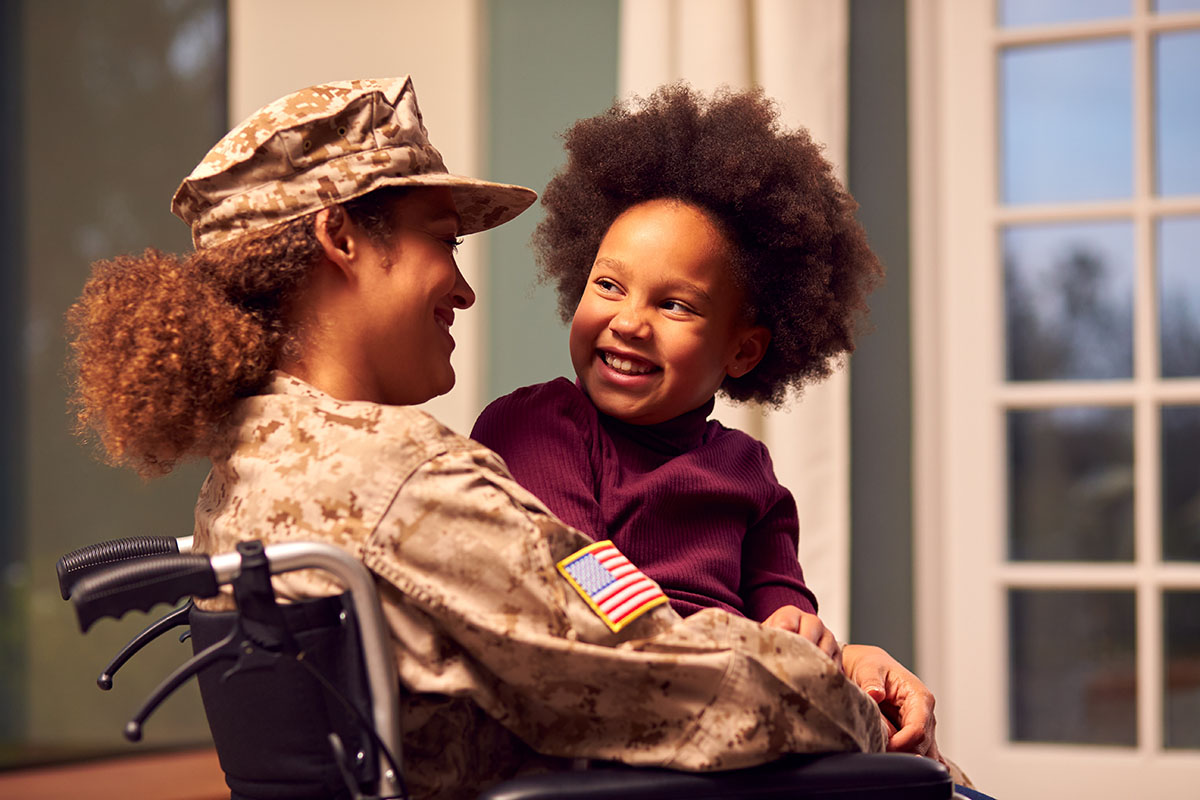
Veterans often return from service with a unique set of physical challenges that require specialized attention. The rehabilitation process is crucial for their recovery and reintegration into civilian life.
Common Physical Injuries in Military Service
Military service members are at risk of a variety of injuries due to the physically demanding nature of their duties. These injuries can range from musculoskeletal disorders to traumatic brain injuries. Common physical injuries include:
- Fractures and sprains
- Amputations
- Back and spinal cord injuries
- Hearing loss
Understanding these injuries is the first step in developing effective rehabilitation programs.
The Role of Physical Therapy in Recovery
Physical therapy plays a pivotal role in the recovery of veterans. It helps to restore function, improve mobility, and alleviate pain through therapeutic exercises and manual therapy techniques. Tailored physical therapy programs can significantly enhance a veteran’s quality of life.
Adapting Fitness Programs for Disabled Veterans
Fitness programs for disabled veterans must be adapted to meet their specific needs. This includes modifications to accommodate prosthetics, wheelchairs, or other assistive devices. The goal is to create inclusive workouts that help veterans maintain their physical fitness and improve their overall well-being.
Strength Training for Upper Body Injuries
Veterans often return from service with upper body injuries that can significantly impact their quality of life. Tailoring strength training programs to address these injuries is crucial for rehabilitation and regaining functional strength.
Exercises for Shoulder Rehabilitation
Shoulder injuries are common among veterans, and rehabilitation exercises are designed to restore mobility and strength without causing further injury. Key exercises include:
- Rotator cuff strengthening with resistance bands
- Isometric exercises to build stability
- Gradual introduction of free weights to enhance muscle recovery
Building Arm Strength Post-Injury
Recovering arm strength is essential for veterans to perform daily activities. A structured approach to arm rehabilitation might involve:
- Bicep curls and tricep extensions with light weights
- Hammer curls for forearm strengthening
- Use of machines to ensure proper form and reduce strain
Safe Chest Workouts for Recovery
Chest injuries require careful attention to avoid exacerbating any existing conditions. Safe chest workouts focus on low-impact movements and controlled progressions:
- Modified push-ups to limit stress on the chest
- Chest press with gradual increase in weight
- Cable flyes to improve range of motion and flexibility
Incorporating these exercises into a veteran’s fitness routine can lead to improved upper body strength and a better overall recovery experience. It’s important to note that veterans with mesothelioma may have additional considerations and could be eligible for special benefits, including VA benefits and compensation from mesothelioma lawsuits.
Lower Body Workouts for Enhanced Mobility
Veterans often return from service with lower body injuries that can significantly impair mobility. Tailoring fitness programs to address these issues is crucial for rehabilitation and quality of life. The following sections outline specific workouts designed to strengthen the lower body and enhance mobility for veterans dealing with common military-related injuries.
Knee-Strengthening Routines
Knee injuries are prevalent among veterans and can lead to chronic pain and instability. A knee-strengthening routine should focus on exercises that build the muscles around the knee without putting undue stress on the joint itself. Examples include:
- Seated leg presses
- Stationary cycling with low resistance
- Straight-leg raises
- Hamstring curls
These exercises help to improve joint stability and can reduce the risk of further injury.
Hip Flexor and Quadriceps Exercises
Strong hip flexors and quadriceps are vital for maintaining balance and stability. Veterans with hip-related injuries can benefit from exercises such as:
- Standing hip extensions
- Lying leg lifts
- Gentle lunges
- Squats with proper form
These movements are designed to increase strength and flexibility in the hip area, aiding in the recovery process and improving overall mobility.
Ankle and Foot Stability Workouts
Ankle and foot injuries can be debilitating, but targeted workouts can help to restore stability and function. Incorporating exercises like the following can make a significant difference:
- Heel-to-toe walks
- Ankle circles
- Resistance band exercises for ankle strength
- Balance exercises on an uneven surface
Regular practice of these exercises can lead to better balance, reduced risk of falls, and a more confident gait.
By integrating these lower body workouts into their fitness regimen, veterans can work towards regaining mobility and enhancing their ability to perform daily activities with ease.
Core Stability and Back Pain Management
Maintaining a strong core is crucial for veterans, especially those dealing with back pain, which is a common issue after military service. A stable core can not only help manage and alleviate back pain but also prevent future injuries.
Targeted Exercises for Lower Back Support
To enhance lower back support, veterans can engage in a series of targeted exercises. These include:
- Pelvic tilts to engage the lower back and abdominal muscles
- Bridging for strengthening the glutes and lower back
- Bird dogs to improve balance and core stability
Consistency with these exercises can lead to significant improvements in back support and pain reduction.
Improving Core Strength to Prevent Injury
A strong core is the body’s armor against injuries. Veterans should focus on exercises that engage multiple core muscles, such as:
- Planks, which can be modified to suit different fitness levels
- Side planks to target obliques and improve lateral stability
- Russian twists for rotational strength
These exercises not only build core strength but also enhance overall body control.
Techniques for Alleviating Chronic Back Pain
Chronic back pain can be debilitating, but certain techniques can offer relief. Veterans are encouraged to:
- Practice yoga and stretching to maintain flexibility
- Use foam rollers for self-myofascial release
- Incorporate low-impact activities like swimming or walking
By integrating these techniques into their fitness regimen, veterans can manage chronic back pain more effectively.
Cardiovascular Fitness and Endurance Building
Maintaining cardiovascular fitness is crucial for veterans, especially those recovering from injuries. A well-designed fitness program can help improve heart health, increase stamina, and enhance overall well-being. Tailoring these programs to accommodate specific injuries is essential to ensure safe and effective workouts.
Adaptive Cardio for Veterans with Injuries
For veterans with mobility limitations or injuries, adaptive cardio equipment such as hand cycles, seated steppers, and rowing machines can provide effective cardiovascular workouts. These tools allow for intensity adjustments and can be used in a seated position, reducing the strain on lower body injuries.
- Hand cycles work the upper body and improve cardiovascular health without impacting the legs.
- Seated steppers can be adjusted for resistance, focusing on upper body movement.
- Rowing machines engage both the upper and lower body, with the ability to modify foot placement and rowing intensity.
Interval Training for Improved Heart Health
Interval training involves alternating periods of high-intensity exercise with periods of rest or low-intensity activity. This type of training can be particularly beneficial for veterans as it allows for customization based on individual fitness levels and recovery needs.
- Start with a warm-up to prepare the body for exercise.
- Alternate between 30 seconds of intense activity and 1-2 minutes of rest or light activity.
- Gradually increase the intensity and duration of the high-intensity intervals as fitness improves.
- Always include a cool-down period to reduce heart rate and prevent muscle stiffness.
Low-Impact Endurance Exercises
Low-impact exercises such as swimming, cycling, and walking are excellent for building endurance while minimizing stress on the joints. These activities can be particularly beneficial for veterans with lower body injuries or those who require a gentler approach to fitness.
- Swimming provides a full-body workout and is gentle on the joints due to the buoyancy of water.
- Cycling can be done outdoors or on a stationary bike, with adjustable resistance to suit different fitness levels.
- Walking is a natural, low-impact activity that can be easily incorporated into daily routines and scaled up to hiking or speed walking for increased challenge.
