
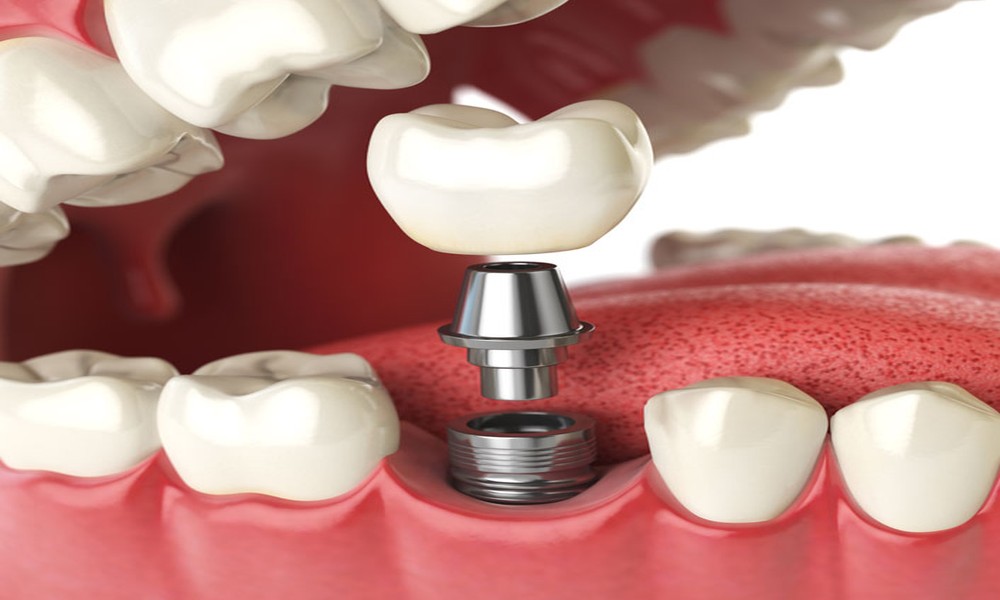
To safeguard your dental health, it’s critical to replace any extracted tooth. Implants, partial dentures, or bridges are alternatives for replacement.
It is, of course, possible to avoid getting a tooth replacement. Because it may result in noticeable changes to your appearance and bite.
This is why you should carefully choose a specialist. And you won’t be disappointed with the results.
How Does the Single-Tooth Implant Process Work?
- Consultation and Using Imaging Systems
With dental implant options in Milwaukee, experts use various methods. Some are using digital photos, intraoral scanning, and 3D imaging technology.
To develop a customized treatment plan. A dentist will assess your bite, jaw anatomy, and oral health. While she and her colleagues create your customized plan, he will listen to your concerns.
- Implants Placement
When a tooth is missing, a fixture is inserted via surgery into the lower or upper jaw. To provide a solid base, the fixture will eventually fuse with the jawbone.
A regenerative abutment is then affixed to the graft. This will facilitate the healing of both the gum and the tissue surrounding the graft.
- Healing Period
For long-term stability, the graft fuses with your bone over the course of the following several months. The lower implantations are often allowed to heal for two months.
While the upper ones are typically allowed to recover for four months. This is also known as the integration period.
- Crown Placement
To complete your smile’s natural appearance, a personalized crown is affixed. Your restorative dentist’s office is where this part is finished. Throughout the procedure, specialists keep in close contact with you.
Why Are Single-Tooth Installations the Ideal Option for Tooth Loss?
- Longevity
Fixtures can endure a lifetime with the right maintenance.
- Natural Appearance
A well-planned and executed implementation. A crown results in a tooth that looks natural and matches the neighboring teeth.
- Better Oral Health
You can function as you always did before losing the denticle once the implantation work is finished. This includes an implant placed, integrated/healed, and a crown positioned.
Check out https://www.chawisconsin.org/download/poor-oral-health-infographic/?wpdmdl=2135&refresh=69b9a65e3abe01773774430 for further reading.
- Functionality
Take pleasure in eating, talking, and grinning painlessly.
Multiple Tooth Implants: What Are They?
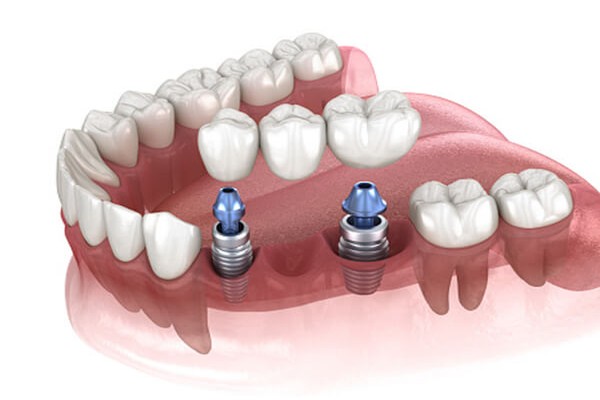
A contemporary dentistry procedure that is intended to replace multiple lost teeth. These implantations use tiny titanium posts implanted into the jawbone to firmly fix a prosthesis. Such as crowns or bridges, rather than depending on detachable dentures or bridges.
They are a long-lasting and efficient way to restore your smile. That’s because they resemble natural teeth in terms of appearance, texture, and functionality.
The Process for Replacing Multiple Teeth
Professionals use cutting-edge technology to ensure the most accurate and comfortable implant procedure. A dentist will assess your periodontal health. He will create a customized treatment plan during your initial comprehensive appointment.
The procedure consists of:
- Planning
Accurate placement is ensured by intraoral scanning and 3D CBCT imaging. Also, an open discussion with your restorative dentist.
- Placement
Implantations are surgically placed in the jawbone during a minimally invasive process. When placing them, some experts use robotic technological supervision. Precision, reduced inflammation, and shorter operations are made possible via robotic help.
- Healing and Integration
The implantations integrate with the bone over the course of the following few months. Thus, forming a solid base.
- Restoration
Your smile is restored by the attachment of customized bridges or crowns.
What Advantages Do Multiple Dental Implants Offer?
- Better Functionality
Eat, talk, and smile with assurance.
- Bone Preservation
By stimulating the jawbone, fixtures stop the loss of bone.
- Natural Appearance
Your natural teeth and custom prosthesis look great together.
- Longevity
They are capable of lasting a lifetime if they are properly cared for.
Indeed, it would be a great advantage to locals. But if the number of specialists continues to decrease, then who’ll look after the patients?
You should check this out to read further.
Advantages of Replacing Teeth with Dental Implants
- Better Stability
Implants support and stabilize your jaw by acting as an artificial tooth root or anchor. Dentures and bridges are examples of alternative replacement treatments.
But it only restores the crown of the tooth. They do not repair the missing root. Fixtures offer a way to replace all of the lost parts of a tooth.
- Versatility
Can replace multiple teeth or a single tooth. Additionally, it can hold a complete or partial denture or support a bridge.
Flexibility and the ability to tailor the quantity of implantation. They’re needed for your treatment plan and are two of its greatest benefits.
- Restoring Function
Every day, your natural teeth endure a great deal of damage. Your teeth are essential for both comfortable food chewing and clear speech.
When these abilities could otherwise be lost. Then, fixtures aid in their restoration.
- Simple Maintenance
They are simple to maintain. You should continue to visit your dentist multiple times a year. It is for your regular cleanings and examinations. As well as floss and brush as usual.
Because these are set and permanent. You won’t need to take them out to clean, soak, or apply adhesives.
- Look
Professionals use tooth-colored materials to create implants and restorations. The sunken appearance that occasionally results from tooth loss is avoided.
This will then complete the facial profile. Adding dental fixtures will only make your smile seem better!
- Dependability
Implantations can last a lifetime. That’s because medical-grade titanium is utilized during the surgical procedure.
