
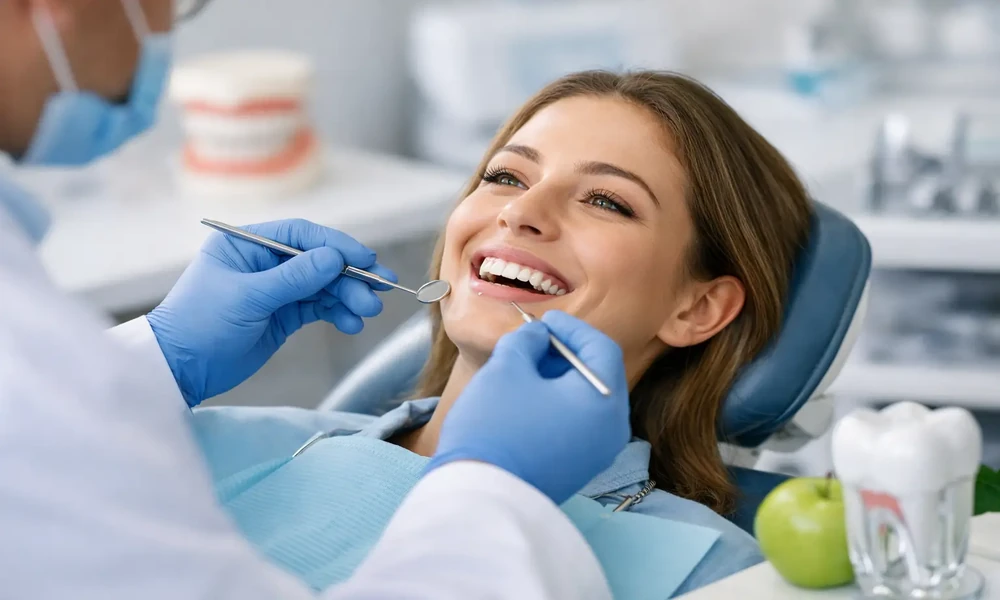
You brush, you rinse, you mean to floss more, and then life gets in the way. A long workday, tired kids, a late night, a missed routine. Most people are not ignoring their teeth on purpose. They are juggling everything else, and oral care slips into the background until something hurts, bleeds, or starts costing money. At Marketplace Smiles in Georgetown, TX, we understand how easily dental care can be pushed aside.
That gap between appointments matters more than most people think. A general dentist can treat problems, but daily habits are what keep small issues from turning into cavities, gum disease, bad breath, chipped enamel, and avoidable dental bills. The good news is that prevention does not need to be complicated. A few steady habits can do a lot of work for you between cleanings.
Daily oral hygiene habits shape what happens at your next dental visit
The trouble with dental problems is that they usually build quietly. Plaque does not announce itself. Gum irritation can seem minor. A little sensitivity to cold feels easy to ignore. Then one skipped month of good care becomes six, and a simple cleaning turns into fillings, deeper treatment, or a conversation you did not want to have.
That is why preventive dental care tips matter so much. They lower the chance that bacteria, sugar, and inflammation get the upper hand. According to the National Institute of Dental and Craniofacial Research guidance on oral hygiene, brushing and flossing remove plaque that can lead to tooth decay and gum disease. That sounds basic because it is basic, but basic does not mean optional.
If your gums bleed when you floss, you might feel tempted to stop. If your teeth look fine, you may assume your routine is working well enough. If you use whitening toothpaste every day and your teeth feel rough or sensitive, you may be doing more harm than good. Small choices add up, and your mouth usually shows the result before the rest of your body does.
Six preventive tips help protect your teeth and gums between appointments
Brush twice a day with fluoride toothpaste. This is still the foundation. Use a soft bristled toothbrush, angle it toward the gumline, and brush for two full minutes. Fast brushing misses the places plaque likes to stay.
Floss once a day, even if you do it imperfectly at first. Brushing cannot clean between teeth. Those tight spaces trap food and bacteria, which is one reason flossing matters so much for gum health and bad breath.
Choose water more often, especially after meals and snacks. Water helps rinse away food particles and acids. If you sip soda, sports drinks, or sweet coffee throughout the day, your teeth stay under attack much longer than you may realize.
Pay attention to fluoride. It helps strengthen enamel and lower the risk of cavities. The CDC explains how fluoride works by helping prevent tooth decay and even repairing very early damage before it becomes a cavity.
Cut down on frequent snacking, not just sugary treats. Crackers, chips, dried fruit, and even constant grazing can feed cavity causing bacteria. It is not only what you eat. It is how often your teeth are exposed.
Do not ignore early warning signs. Persistent bad breath, bleeding gums, tooth sensitivity, dry mouth, mouth sores, and jaw pain deserve attention. Waiting rarely makes these easier or cheaper to fix.
Simple prevention beats repair when you compare cost, comfort, and risk
People often think of prevention as one more thing to keep up with. In reality, it usually saves time, money, and stress. The CDC oral health tips for adults reinforce the same pattern. Daily care, smart food and drink choices, and regular dental visits work together. One without the others leaves gaps.
| Habit or Choice | Short Term Result | Likely Long Term Outcome |
|---|---|---|
| Brushing twice daily with fluoride toothpaste | Cleaner teeth and lower plaque buildup | Lower risk of cavities and enamel damage |
| Skipping floss because gums bleed | Plaque stays between teeth | Higher risk of gum inflammation and decay between teeth |
| Sipping sugary drinks all day | Frequent acid and sugar exposure | Greater chance of decay and tooth sensitivity |
| Drinking water after meals | Helps clear food debris and acids | Supports a healthier oral environment |
| Ignoring sensitivity or bleeding | Problem remains untreated | More invasive and costly treatment later |
This is where many patients feel frustrated. They are not trying to neglect their health. They are trying to fit one more routine into a packed day. Still, a few minutes of steady care usually asks less of you than a crown, gum treatment, or an emergency appointment.
Three steps make oral health maintenance easier to follow every day
Build a routine you can repeat. Put floss where you will actually use it. Keep a toothbrush at work if mornings are chaotic. Use a timer or a song for two minutes of brushing. The best routine is the one you will keep when you are tired.
Make your mouth less friendly to bacteria. Drink more plain water, limit sugary snacks between meals, and switch to fluoride toothpaste if you are not already using it. If you deal with dry mouth, mention it at your next appointment because less saliva can raise your cavity risk.
Track small changes before they become bigger problems. Notice bleeding, sensitivity, pain when chewing, or sores that do not heal. These are not things to wait out for months. Early action often means simpler care and less discomfort.
Consistent care between visits supports long term dental health
Oral health tips for adults do not need to be fancy to work. Brush well, floss daily, use fluoride, watch the steady sugar exposure, drink water, and pay attention when your mouth tells you something is off. That is the heart of good dental prevention, and it gives your next visit a much better starting point.
If you have fallen out of the habit, you are not alone, and you do not need to fix everything in one day. Start with one change tonight, then add the next. Small prevention steps done often are what protect your smile between appointments.
