
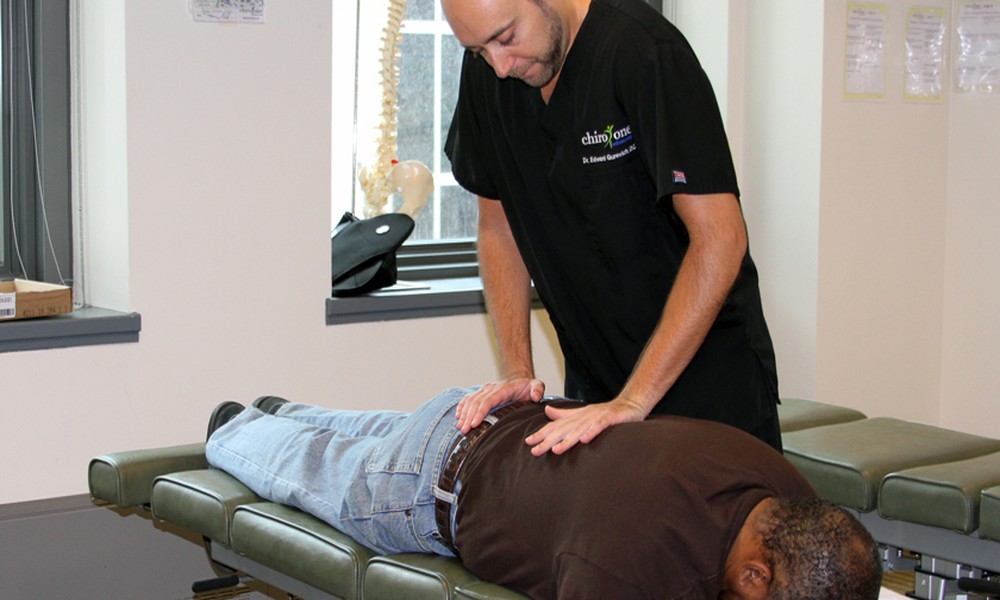
A lot of people do not think much about posture or spinal movement until daily routines start feeling annoying. Getting out of bed feels stiff. Sitting too long becomes uncomfortable. Turning the neck while driving suddenly feels tighter than before. It usually happens slowly.
People searching for okc chiropractors are often just tired of feeling uncomfortable doing everyday stuff. Work feels stiff. Driving feels annoying. Sometimes, even bending down or getting up too quickly starts feeling off for no obvious reason.
Some people begin treatment after accidents, while others simply get tired of recurring tightness that keeps returning every week. And honestly, many wait months before doing anything about it.
Why physical discomfort often builds quietly over time
The body adapts surprisingly well to stress for a while. That is probably why many posture-related problems get ignored early.
Someone spends years leaning toward a computer screen. Another person drives long distances every day. Some work physically demanding jobs where lifting and twisting become constant habits. The body keeps compensating until stiffness or pressure finally becomes difficult to ignore.
The early signs are usually small. Maybe the shoulders feel heavy after work. Maybe sleep feels less comfortable. Sometimes lower back pressure starts appearing during long sitting periods without any obvious injury behind it.
A few common habits chiropractors often see connected with physical strain include:
- Sitting too long without standing
- Looking downward at phones repeatedly
- Poor desk positioning
- Uneven sleeping posture
- Repetitive lifting movements
- Limited stretching during busy schedules
None of those things seems serious individually. But the body keeps adding them together day after day.
That part matters more than people think.
What usually happens during a first chiropractic appointment
Many first-time patients arrive unsure about what the visit will actually involve. Some expect only quick adjustments while others worry treatment may feel uncomfortable.
Some clinics also review:
Evaluation Area |
Purpose |
|---|---|
| Posture assessment | Look for imbalance patterns |
| Movement testing | Identifies restricted flexibility |
| Spine evaluation | Detects tension areas |
| Daily routine discussion | Helps find strain habits |
| Injury background | Supports safer treatment planning |
Sometimes the actual source of discomfort sits somewhere different from what is expected. Shoulder tightness may be connected with neck positioning. Lower back pressure may relate to a posture imbalance higher along the spine. Patients are often surprised by that.
Office routines create more strain than people realise
Modern work habits affect posture constantly. Chiropractors see similar office-related movement patterns almost every day.
Sitting for long periods changes how the spine handles pressure. Poor screen positioning pushes the neck forward. Limited movement tightens muscles around the hips and lower back.
Over time, the body starts adapting to uncomfortable positions as though they are normal.
A few common office-related posture problems include:
Forward head positioning
People naturally lean toward screens without noticing. Gradually, this increases tension around the upper spine and shoulders.
Lower back compression
Long sitting periods reduce movement around the hips and lower spine, which may increase stiffness.
Uneven shoulder strain
Mouse use and repetitive desk positioning sometimes create an imbalance across one side of the body.
Reduced flexibility during workdays
Busy schedules often keep people sitting too long without stretching or changing posture.
Some try replacing chairs or standing desks first. Others start basic stretching routines. But when stiffness keeps returning, many eventually decide to seek professional evaluation.
Recovery support after accidents and physical injuries
People searching for okc chiropractors are often looking for ways to improve physical movement after these situations rather than only covering symptoms temporarily.
Recovery-focused care may involve:
- Mobility evaluations
- Alignment support
- Muscle tension reduction
- Flexibility monitoring
- Movement improvement planning
- Posture correction discussions
How mobility improvements often happen gradually
People usually notice smaller physical changes before major improvements. Turning the neck becomes smoother. Standing longer feels easier. Sleeping positions stop causing the same discomfort as before.
Small changes first.
Patients sometimes mention improvements involving:
| Physical Area | Common Improvement Goal |
|---|---|
| Neck movement | Reduced stiffness |
| Lower back flexibility | Easier daily movement |
| Shoulder comfort | Less tension during work |
| Walking posture | Better movement balance |
| Joint mobility | Smoother physical motion |
The process often works better when daily routines improve alongside treatment visits rather than relying on appointments alone.
Building healthier movement habits outside appointments
Helpful physical habits may include:
- Standing periodically during work
- Stretching between long sitting periods
- Improving sleeping posture
- Lifting things more carefully during daily activities
- Keeping the body active regularly
- Trying not to stay in one position for too long
Some people expect dramatic overnight results after one appointment. But physical improvement usually develops through repeated smaller changes over time instead. The body responds gradually sometimes. A little unpredictably, too.
