
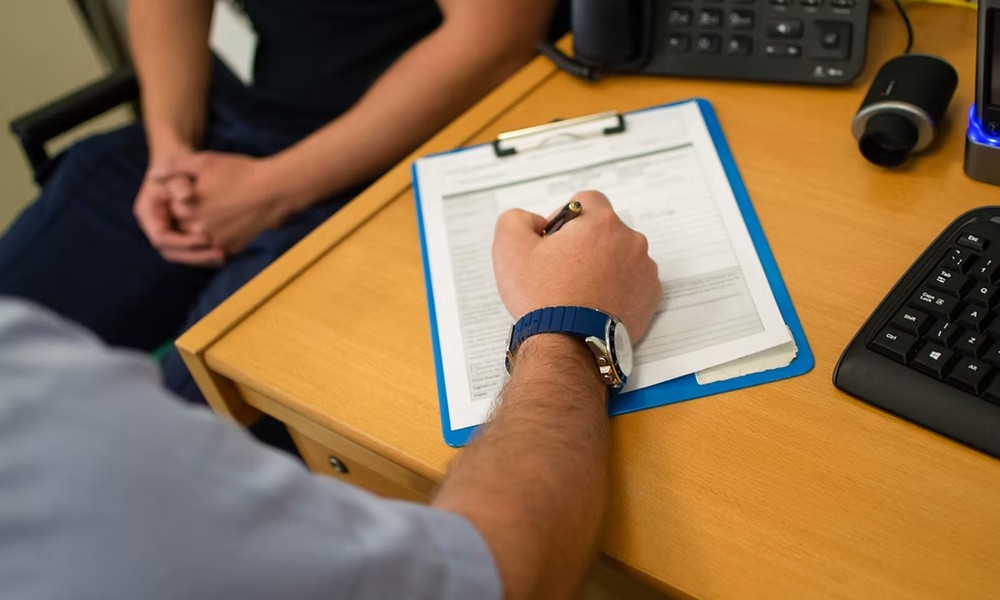
Choosing an occupational health provider isn’t just about ticking a compliance box. It’s about protecting your people and your business. A bad fit can lead to missed health risks, more sick days, and even legal trouble. But a good provider feels like a natural extension of your team. Here’s how to find that right fit in Malaysia, step by step.
Start With the Basics: What Do You Legally Need?
Before you look at who to hire, understand what you must have. In Malaysia, the law is clear. The Occupational Safety and Health Act (OSHA) 1994 and the Factories and Machinery Act 1967 set the rules. You might need mandatory health surveillance if your team works with noise, chemicals, or other hazards. You might need a registered occupational health doctor (OHD) to advise you.
Don’t guess what you need. Do a proper risk assessment first. This tells you exactly which services are essential. A good provider will ask to see this document. A poor provider won’t. Knowing your legal baseline helps you ask the right questions from day one. It stops you from paying for services you don’t need and missing the ones you do.
Look for Real Credentials, Not Just Fancy Brochures
The term “occupational health” gets used loosely. You need to check their qualifications. A legitimate provider for occupational health services malaysia must be registered with the Department of Occupational Safety and Health (DOSH). This is non-negotiable. Ask directly: “Are you a DOSH-registered provider?” If they hesitate, walk away.
Check the people, not just the company. The doctors running your program must be more than general practitioners. They need specific training and registration as an Occupational Health Doctor with DOSH. Look for qualifications like the Diploma in Occupational Health or membership in the Academy of Occupational and Environmental Medicine, Malaysia (AOEMM). These aren’t just paper. They show the doctor understands the link between a worker’s health and their specific job tasks. A doctor who doesn’t understand your factory floor can’t protect the people on it.
Go Beyond the Annual Check-Up
A basic medical examination is not a full occupational health service. It’s just a starting point. You need a provider who sees the bigger picture. A good partner will want to visit your workplace. They’ll walk the floor, see the workflow, and understand the real hazards. If a provider only wants to see your employees in their clinic, be skeptical.
True occupational health is proactive. Ask them how they handle health surveillance programs. This means targeted testing for the specific risks you identified. For example, audiometric testing for noise exposure, lung function tests for dust, or biological monitoring for chemical handlers. And what happens after the test? The real value isn’t in the data collection. It’s in the explanation. The provider must interpret the group results to spot trends and then advise you on how to control the hazards better. Otherwise, you’re just collecting files.
Check Their Speed and Medical Knowledge in an Emergency
Accidents and sudden illnesses happen. Your provider’s response time is a true test of their worth. How fast can they see a work-related injury? Do they understand your Return-to-Work process?
This is where a deep understanding of occupational medicine is crucial. A general clinic doctor might give unnecessary sick leave for a simple back strain because they don’t understand the job. An occupational health professional, however, knows how to assess functional capacity. They might recommend modified duties instead of total rest. This keeps your employee active and healing, rather than stuck at home. It’s a practical approach that saves you money on replacement staff and keeps the worker’s morale up. Ask for a clear, written protocol on how they manage work-related injuries and illnesses.
Demand a Personal Touch, Not a Factory Line
Some large companies operate like a production line. You send staff, they get a number, and a generic report comes back. This feels cheap but costs you in the long run. You’re hiring a service for advice, not just paperwork.
Look for a provider that assigns you a dedicated team. You should have a primary doctor who knows your company’s name and your workplace’s specific challenges. When you call with a question about an employee’s fitness for a task, you shouldn’t have to re-explain everything from scratch. A consistent contact builds a relationship. They learn your safety culture. They understand which roles are safety-critical. This personal knowledge allows them to make sound, practical decisions that a rotating stranger cannot. The value isn’t in the annual check-up. It’s in the phone call you make in between.
Uncover Their Real Tech and Reporting Ability
In 2024, a clipboard and a paper file aren’t good enough. Technology matters for efficiency and accuracy. Ask to see their reporting system. Do they offer a secure online portal where you can check your employees’ compliance status in real-time? Can you pull a report to see who is overdue for a health screening in seconds?
A clear, visual dashboard helps you manage your program without playing email ping-pong with a coordinator. But more importantly, the data must be useful. You need a provider who can give you group analytics, stripped of personal identifiers. They should tell you, for example, “15% of your workforce in department X has early signs of hearing loss. This is a trend. Here are our recommendations.” This turns raw data into a tool for prevention. It’s not just a record of what happened; it’s a guide for what to do next.
Test the Fit with a Simple Conversation
Before you sign a contract, have a conversation that’s not about price. Throw a scenario at them. Say, “We suspect some of our staff might have burnout. How would you help us approach this?” Listen to their answer. You’re listening for a partner, not a vendor.
A good provider will talk about a confidential process. They’ll mention mental health first aid or a gradual return to work plan. They’ll ask about your current resources. A bad provider will simply offer a one-size-fits-all “stress management workshop.” You’re assessing their ability to listen, adapt, and collaborate. This is a partnership. You need a team that fits your company’s values, not just its budget.
Understand the Cost, But Read the Fine Print
Price is always a factor, but cheap can be deceptive. Get a transparent fee schedule. Ask about every potential extra charge. Is a follow-up visit for an abnormal result included? What is the fee for a doctor’s professional opinion outside of scheduled hours? Do they charge per home visit or per trip?
A professional provider will have clear, upfront pricing. They won’t hide fees in a complex contract. Consider the total value. A slightly higher base fee that includes thorough explanations, fast emergency response, and proactive advice is a better financial decision than a cheap service that leaves you exposed to risks and legal penalties. You’re buying peace of mind and legal protection, not just a medical certificate.
Selecting the right provider for occupational health services malaysia requires this kind of careful thought. It’s a choice about who will protect your most valuable asset your people. Take your time. Ask hard questions. Look past the sales pitch. The right partner won’t just help you comply with the law. They’ll actively work with you to build a healthier, safer, and more productive business. And that’s a result everyone can feel good about.
