
You might be here because a dentist or orthodontist casually mentioned the words “impacted canine” and “oral surgeon” in the same sentence, and everything after that sounded like static. You nodded, you took the referral slip, and now you are at home thinking, “Why can’t this just be a simple tooth issue. Why surgery. Why now.” Maybe you were even told you should see an oral surgery specialist in Des Plaines.
That reaction is very common. Impacted canines are not usually painful at first, so it can feel strange to be told that you or your child may need a surgical procedure. You might be worried about cost, recovery, or even whether this is really necessary. At the same time, you probably know that ignoring it is not a real option, and that tension can be exhausting.
Here is the short version. Impacted canines are upper or lower eye teeth that never properly come through the gums. Because those teeth are key for your bite, your smile, and your jaw health, they often need help to come into the right position. That “help” usually involves a partnership between an orthodontist and an oral surgeon and implant dentist. The oral surgeon exposes or removes the tooth in a safe and controlled way, while the orthodontist guides it into place with braces or aligners.
So where does that leave you. It leaves you needing clear information, realistic expectations, and a plan that feels safe and thoughtful, not rushed or mysterious.
What exactly is an impacted canine and why does it matter so much
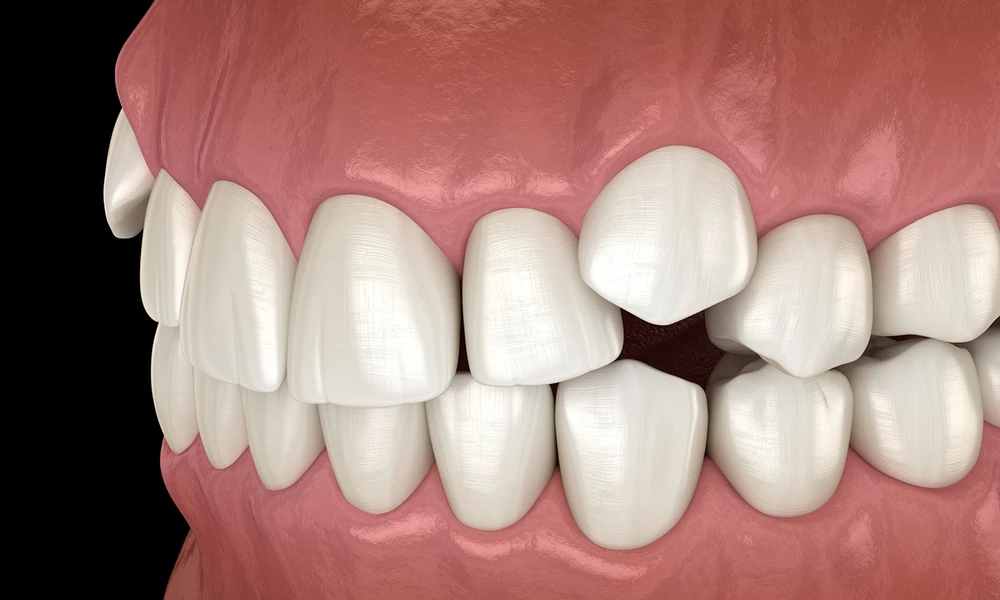
An impacted canine is a canine tooth that gets stuck and fails to erupt into the mouth in the normal way. Sometimes it is trapped in bone. Sometimes it is pointed in the wrong direction. Sometimes it is blocked by baby teeth or crowded adult teeth.
Canines have a special role. They help guide your bite when you move your jaw side to side. They protect other teeth from heavy forces. They also shape the corners of your smile. When a canine is missing or stuck, your body quietly works around it, but that compensation can lead to problems over time.
Without proper treatment, impacted canines can cause issues such as:
- Damage or resorption of nearby tooth roots
- Cysts around the trapped tooth
- Crowding and misalignment of other teeth
- Difficulty chewing comfortably
- Visible gaps or asymmetry in the smile
If you want a medical overview, you can see how an impacted tooth is defined and managed in resources like this MedlinePlus summary on impacted teeth. But definitions alone do not answer the question that is on your mind right now. Why is an oral surgeon involved at all?
Why is an oral surgeon usually part of impacted canine treatment
Think about where a stuck canine sits. It is often high in the upper jaw, near the roots of front teeth and close to important structures like the sinus or nasal floor. That area is packed with nerves, blood vessels, and thin bone. Working there safely is not a simple “pull a tooth” situation. It requires training in surgery, anatomy, and sedation.
Because of this, orthodontists often bring in an oral surgeon to perform one of two main procedures:
- Surgical exposure and attachment of a bracket or gold chain. The surgeon gently uncovers the tooth, bonds an orthodontic attachment to it, then the orthodontist slowly pulls it into position over months.
- Surgical removal of the impacted canine. If the tooth is too misplaced or risky to move, the surgeon removes it and your dentist or orthodontist plans a replacement, sometimes with a dental implant.
You can see a patient friendly description of exposure of an impacted upper canine in this NHS leaflet on exposing an impacted upper canine. It describes how the surgeon creates access to the tooth, manages the gum, and supports the orthodontic plan. That is the kind of work that a general dentist is not typically trained or equipped to do.
So the “why” behind involving an oral surgeon is not to make treatment more dramatic. It is to keep it safer, more predictable, and less traumatic to the surrounding teeth and bone.
What happens if you ignore an impacted canine or delay specialist care
You may be wondering if you can simply wait and see. Especially if there is no pain, it is tempting to push the decision aside for a year or two. The challenge is that impacted canines tend to cause slow, silent problems.
Consider a few “what if” scenarios that often play out.
Imagine a teenager whose impacted canine is sitting right against the root of a front tooth. There is no pain. The smile looks fine because the baby canine is still in place. Over time, the impacted tooth can literally eat away at the root of the front tooth. By the time it is found on an X ray, that front tooth may be weakened enough that it is at risk of loss. Now the family is facing treatment for two teeth instead of one.
Or picture an adult who has always known “one tooth never came in” and has adapted. The baby tooth eventually loosens and is lost. The impacted canine is too high and angled to be brought down. Bone quality may be compromised. Treatment shifts toward removal, bone grafting, and implant placement. The plan is still possible, but it is more complex and more expensive than it would have been ten years earlier.
This is where stress grows. You may be weighing fear of surgery against fear of future damage and cost. That internal tug of war is very real.
The role of an oral surgeon for impacted canines is to cut through that uncertainty and give you clear options. They assess the position of the tooth with 3D scans, measure risk to nearby structures, and explain whether exposure or removal makes more sense in your specific case. They also coordinate with your orthodontist so you are not caught between conflicting opinions.
How does specialist care compare to “wait and see” or quick fixes
When you are trying to decide what to do, it can help to see the tradeoffs in simple terms. The table below compares three common paths people consider when dealing with an impacted canine.
| Approach | What it involves | Short term impact | Long term risks or benefits | Who is usually involved |
|---|---|---|---|---|
| “Wait and see” with no specialist | Monitoring with occasional X rays, no active treatment | No surgery, low immediate cost, ongoing uncertainty | Higher risk of root damage, cysts, tooth loss, more complex future treatment | General dentist only |
| Partial treatment, no surgery | Orthodontics to align other teeth, baby tooth kept as long as possible | Improved alignment around the area, but the true canine stays impacted | Baby tooth likely fails. May still need surgery and replacement later, often with more bone loss | Orthodontist and general dentist |
| Specialist care with oral surgeon | Surgical exposure or removal of the impacted canine, coordinated with orthodontics or implant planning | One or more procedures, upfront planning and cost, clear roadmap | Better chance to save and position the natural canine, protect nearby teeth, or replace it in a controlled way | Oral surgeon, orthodontist, and dentist working together |
Seeing it this way, you can understand why impacted canine treatment often includes a surgeon from the beginning. It is less about making things “more serious” and more about reducing the chance of avoidable surprises later.
What can you do right now to move from worry to a clear plan
Once you understand why oral surgeons are often needed for impacted canines, the next step is deciding how to act. You do not have to overhaul everything in a day. A few focused moves can make a big difference.
1. Gather your records and questions in one place
Ask your dentist or orthodontist for copies of your X rays and any 3D scans. If your child is the patient, include their growth records and orthodontic notes. Write down your concerns in plain language. For example, “I am worried about damage to other teeth” or “I need to understand costs and recovery time.”
Bringing organized records and honest questions to an oral surgeon consult helps them give you specific answers rather than general statements. It also lowers your stress, because you are not trying to remember everything in the moment.
2. Schedule a consultation with an oral surgeon and implant dentist
An experienced oral surgery and implant team can walk you through both the immediate problem and the longer term plan. If the canine can be brought into place, they work with your orthodontist to design the exposure and traction. If it cannot, they explain options for removal, bone preservation, and replacement with an implant or bridge when appropriate.
- Exact position of the impacted canine and nearby roots
- Whether exposure or removal is recommended and why
- Anesthesia options and what you will feel or remember
- Recovery time, time off school or work, and activity limits
- Estimated costs and insurance coverage
The goal is not to pressure you into a decision on the spot. It is to turn a vague fear into a clear, written plan that you can think about calmly.
3. Weigh timing and growth, especially for children and teens
If this involves a younger patient, timing matters. There is often a window where the canine can be guided into place more easily because the jaw is still growing and the roots of nearby teeth are not fully formed. Delaying beyond that window does not always close the door, but it can make the path steeper.
Ask the surgeon and orthodontist how age and growth affect your options. You might hear that now is the best time to act, or you might hear that waiting six months for a bit more growth is actually better. Either way, you are deciding based on anatomy and growth patterns, not on fear or guesswork.
Finding your footing when facing impacted canine surgery
Hearing that you or your child needs an oral surgeon for an impacted canine can feel like the ground shifted under your feet. You start with what seems like a simple tooth issue and end up talking about surgery, orthodontics, and long term bite health.
You are allowed to feel worried. You are allowed to ask “why” more than once. The important thing is that you do not stay stuck in that uncertainty. With the right specialist team, a clear explanation, and a step by step plan, impacted canine treatment becomes something structured and manageable, not a looming mystery.
The next move is simple. Gather your questions, meet with an oral surgeon and implant dentist, and ask them to map out your options in language you can understand. From there, you can choose the path that protects your health, your comfort, and your peace of mind over the long term.
