
You might be feeling a mix of hope and nerves right now. Maybe you have noticed crowded teeth, a bite that feels off, or a child who is starting to feel self conscious about their smile. Or maybe you have finally decided to look into treatment for yourself and are searching for an orthodontist in Chicago, IL, and now the process feels harder to picture than the result. That is normal. When people hear they may need braces, they often jump straight to the end and wonder how long it will take, how much it will cost, and whether it will hurt.
The good news is that the path is usually more straightforward than it seems. The 4 Steps In The Journey From Consultation To Braces often look like this: the first visit and exam, records and diagnosis, a treatment plan with timing and cost, and then placement day. Once you understand each step, the whole process tends to feel less heavy and much more manageable.
What happens at the first orthodontist consultation, and why does it matter so much?
The first step is the consultation. This is where an orthodontic treatment process begins, and it is less about pressure and more about clarity. You meet with the orthodontist, talk about your concerns, and get an initial exam. They will look at tooth alignment, jaw position, spacing, crowding, and your bite. In many cases, they also check whether any habits, like thumb sucking or mouth breathing, may be affecting development.
Why does this first visit matter? Because what feels like a cosmetic issue is not always just cosmetic. Crooked teeth can make cleaning harder, and bite problems can affect chewing or speech. According to MedlinePlus information on orthodontia, orthodontic care can help move teeth into better alignment and improve how the teeth and jaws work together.
This is also the point where many families start asking the quiet questions out loud. Will braces be the only option? Is it too early? Is it too late? Those are fair questions, and the consultation is where the uncertainty starts to lift.
Why are X rays, photos, and impressions part of the braces consultation process?
After the initial exam, the next step is gathering records. This may include X rays, photos, and digital scans or impressions of the teeth. At first, this can feel like a lot. If the problem seems obvious to you, why all the extra steps?
Because teeth do not move in isolation. The orthodontist needs to see the roots, jawbone, and how the upper and lower teeth meet. A full picture helps prevent guesswork. If there are impacted teeth, missing teeth, jaw growth concerns, or signs of a bite issue, those details shape the plan from the start. For a broader look at how tooth and jaw alignment problems can develop, this NCBI overview of malocclusion explains the basics in plain medical terms.
There is also a practical side to this step. Good records make it easier to compare progress over time. If you ever wonder whether treatment is working, these baseline images and scans help answer that clearly.
How does the treatment plan turn a diagnosis into a real path forward?
Once the records are reviewed, the orthodontist builds your treatment plan. This is where the journey starts to feel real. You learn what kind of braces may be used, whether extractions or other procedures are needed, how long treatment may take, and what the cost could be.
For some people, this is the most emotional part. A plan can bring relief, but it can also bring worries. What if treatment takes longer than expected? What if a child is anxious about appearance or discomfort? What if the budget feels tight? Those concerns are common, and they deserve a direct conversation.
In some cases, the orthodontist may also talk about conditions linked to jaw growth or alignment, especially in younger patients. If you want a general medical reference on one type of jaw development issue, MedlinePlus explains underbite in a simple way.
The key here is not to aim for a perfect prediction. It is to leave with a plan you understand. A good treatment plan should answer what needs to happen, when it may happen, and what your role will be at home.
What should you expect on the day you actually get braces?
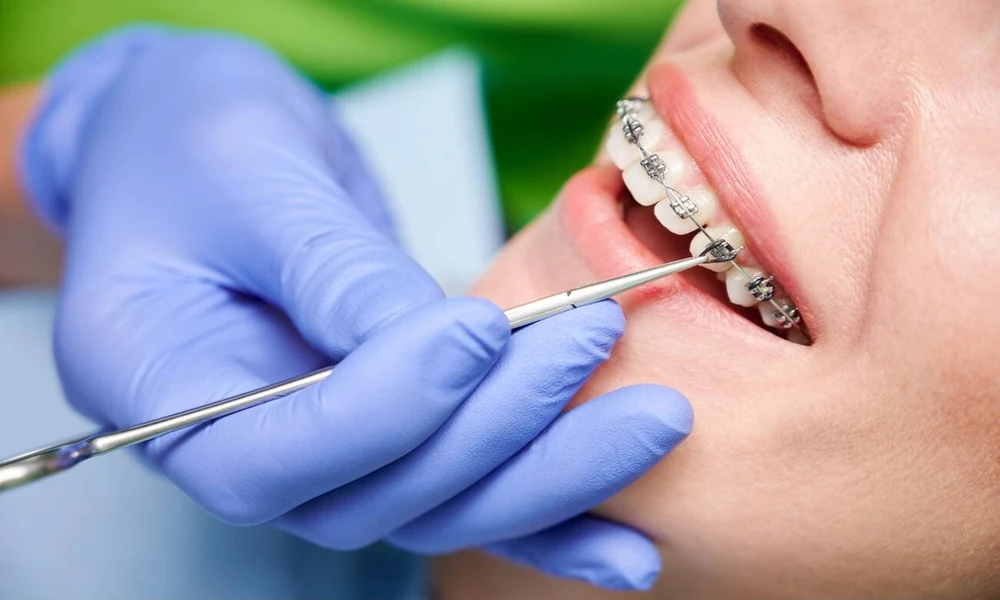
The fourth step is placement day. This is the moment many people picture from the very start. Teeth are cleaned and prepared, brackets are attached, and wires are placed. The appointment often takes longer than a routine checkup, but it is usually calm and structured.
Will it hurt? The placement itself is not usually painful, though soreness often shows up later as the teeth begin to shift. That tenderness can last a few days. Eating softer foods, using orthodontic wax, and following care instructions can help a lot. This stage marks the start of the visible braces journey, but it is really the result of all the planning that came before it.
How do the four steps compare, and where do people get stuck?
Sometimes the hardest part is not the braces. It is the waiting, the uncertainty, and the fear of not knowing what comes next. Seeing the process side by side can help.
| Step | What Happens | Common Concern | Why It Matters |
|---|---|---|---|
| Consultation | Exam, discussion of concerns, early recommendations | “Do we really need treatment?” | Confirms whether alignment or bite issues need care |
| Records and Imaging | X rays, photos, scans, impressions | “Why so many tests?” | Shows roots, jaw position, and hidden issues |
| Treatment Plan | Review of options, timeline, cost, next steps | “Can we handle the time and expense?” | Creates a clear path and sets expectations |
| Braces Placement | Brackets and wires are placed | “Will it hurt?” | Begins active tooth movement and progress |
What can you do now if you are still feeling unsure?
1. Write down your real concerns. Before the appointment, make a short list. Ask about pain, cost, time, food restrictions, oral hygiene, and school or work routines. People often forget their biggest questions once they are in the chair.
2. Ask for the plan in plain language. If something sounds too technical, stop and ask for a simpler explanation. You should understand each stage of your orthodontist care, not just nod along and hope it makes sense later.
3. Prepare for the first week after braces. Stock up on soft foods, keep a toothbrush and floss tools close by, and plan for mild soreness. A little preparation can make the adjustment much easier.
So where does that leave you as you move from consultation to braces?
It leaves you with a process that is more predictable than it first appears. What starts as worry often becomes a series of clear decisions, one step at a time. From the first conversation to the day braces go on, each part has a purpose, and each part helps create a safer, more effective result.
If you have been putting this off because it feels overwhelming, that feeling makes sense. Still, you do not have to figure it all out at once. Start with the consultation, ask the questions that matter to you, and take the next step when you are ready.
