
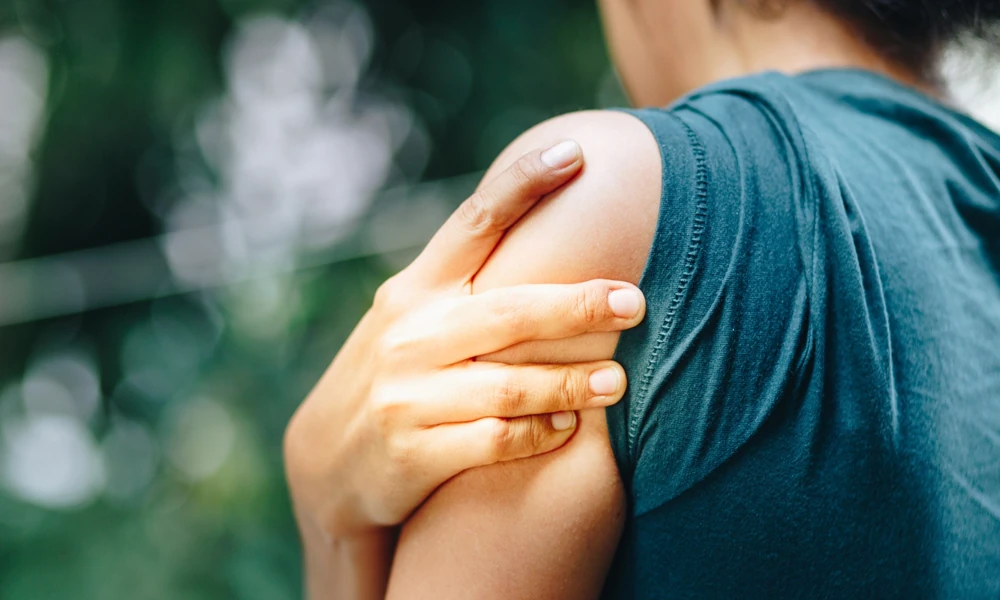
Almost every part of daily living might be hampered by shoulder pain. Simple activities such as lifting groceries, reaching overhead, exercising, or even sleeping comfortably become difficult when the shoulder joint is injured or inflamed. The shoulder is more susceptible to wear, repetitive stress, and severe injuries due to its large range of motion. Regenerative medicine has given some patients more options to promote the body’s natural healing process, even if conventional treatments like medication, physical therapy, and surgery are still widely used.
Rotator Cuff Injuries
The labrum is the ring of cartilage that encircles the shoulder socket and promotes joint stability. Tears may develop gradually from repeated use or occur suddenly after an accident. Symptoms often include weakness, pain while lifting the arm, and discomfort at night.
Small or partial tears may respond well to conservative care, but some individuals continue experiencing pain despite months of rehabilitation. Regenerative therapies are increasingly being explored to encourage tissue repair and improve shoulder function in carefully selected cases.
Shoulder Osteoarthritis
As cartilage gradually wears away, the bones within the shoulder joint begin rubbing against each other. This condition, known as shoulder osteoarthritis, commonly affects older adults but may also develop after previous injuries.
People with arthritis often notice stiffness, reduced mobility, grinding sensations, and persistent pain. While medications may temporarily relieve symptoms, they do not restore damaged cartilage. One regeneration approach that may help control symptoms and promote better joint function is stem cell therapy.
Tendonitis Caused By Repetitive Motion
Athletes, painters, construction workers, and office professionals can all develop shoulder tendonitis after repeating the same movements over long periods. Inflamed tendons become painful during everyday activities, making even routine tasks uncomfortable.
When rest, anti-inflammatory measures, and physical therapy fail to provide adequate improvement, healthcare providers may discuss regenerative treatments as part of a broader recovery strategy designed to reduce irritation and encourage healing.
Labral Tears
The labrum is a ring of cartilage that circles the shoulder socket and helps the joint stay stable. Falls, sports injuries, or repeated overhead activities can damage this structure.
Labral tears often produce clicking sensations, instability, and pain during movement. Treatment options may involve surgical repair, activity adjustment, or rehabilitation, depending on the extent of the injury. Some patients with less severe injuries may also explore Dynamic Stem Cell Therapy as part of a physician-supervised regenerative treatment plan.
Frozen Shoulder
Frozen shoulder, also called adhesive capsulitis, causes the shoulder capsule to become thick and tight, severely limiting movement. The condition often progresses through painful stages before gradually improving, sometimes taking many months or even years.
Although stretching exercises and physical therapy remain essential components of treatment, researchers are still assessing the potential of regenerative treatments to assist tissue regeneration during rehabilitation and reduce inflammation.
Partial Ligament Injuries
Shoulder ligaments help maintain stability during movement. Sudden trauma, heavy lifting, or sports participation can overstretch or partially tear these important supporting structures.
Minor ligament injuries may heal naturally, but incomplete healing sometimes results in lingering discomfort or instability. In these situations, regenerative approaches are being investigated for their ability to support the body’s repair mechanisms alongside structured rehabilitation programs.
Persistent Shoulder Pain Without Complete Recovery
Some individuals continue experiencing shoulder pain even after following conventional treatment recommendations. Imaging may reveal lingering tendon degeneration, chronic inflammation, or mild tissue damage that has not fully healed.
Rather than immediately considering surgery, physicians may evaluate whether regenerative therapies are appropriate based on the patient’s diagnosis, overall health, activity level, and treatment goals. Every case requires a thorough medical assessment to determine the most suitable approach.
Conclusion
Many shoulder conditions develop gradually through aging, repetitive movement, or previous injuries. Rotator cuff damage, arthritis, tendonitis, labral tears, frozen shoulder, and partial ligament injuries are among the conditions that may potentially benefit from regenerative medicine in appropriate patients. Research on stem cell therapy’s potential to aid in tissue repair and enhance shoulder function is still ongoing, even if it is not a panacea and might not take the place of traditional treatments. The best method for figuring out which therapy alternatives fit a person’s particular health and long-term recovery goals is still to speak with a knowledgeable medical specialist.
