Close Menu
    Facebook X (Twitter) Instagram
    Trending
    • How Dentists Help Patients Choose The Right Toothbrush And Toothpaste
    • Everyday Movements That Pressure the Pelvic Floor
    • Why the Right Treatment for Sensitive Nose Starts with the Right Diagnosis
    • The Role Of Nutrition In Shaping Healthy Smiles For Children
    • 4 Ways to Avoid Aesthetic Disappointment and Achieve Your Ideal Grin
    • How Blue Lotus Supports a Wind-Down Routine?
    • How Oral Surgeons Personalize Treatment For Each Case
    • 5 Preventive Habits Dentists Recommend For Patients Of All Ages
    • Get in Touch
    • Our Story
    Just Ask Medical
    Saturday, September 12
    • Medicine
    • Dental Care
    • Mental Health
    • Diseases
    • Weight Loss
    • Health
      • Health maintenance
    • Senior Living
    Just Ask Medical
    Home»Health»Six Signs of Serious Illness in Children 
    Health

    Six Signs of Serious Illness in Children 

    Marvin MartinezBy Marvin MartinezMarch 18, 2023Updated:March 28, 2023No Comments3 Mins Read
    Facebook Twitter Pinterest LinkedIn Tumblr Email
    Share
    Facebook Twitter LinkedIn Pinterest Email

    As a healthcare provider, you can help parents to spot symptoms of serious illness in their children that will need urgent medical attention. Parents will almost instinctively know something is wrong with their child but may not be able to distinguish between a minor illness and something more serious. 

    With your help, they will be able to understand the signs to look for that indicates something more concerning and when to get help by seeing their family GP, contacting NHS 111, or visiting A&E if it is an emergency. Six signs of serious illness in children include:

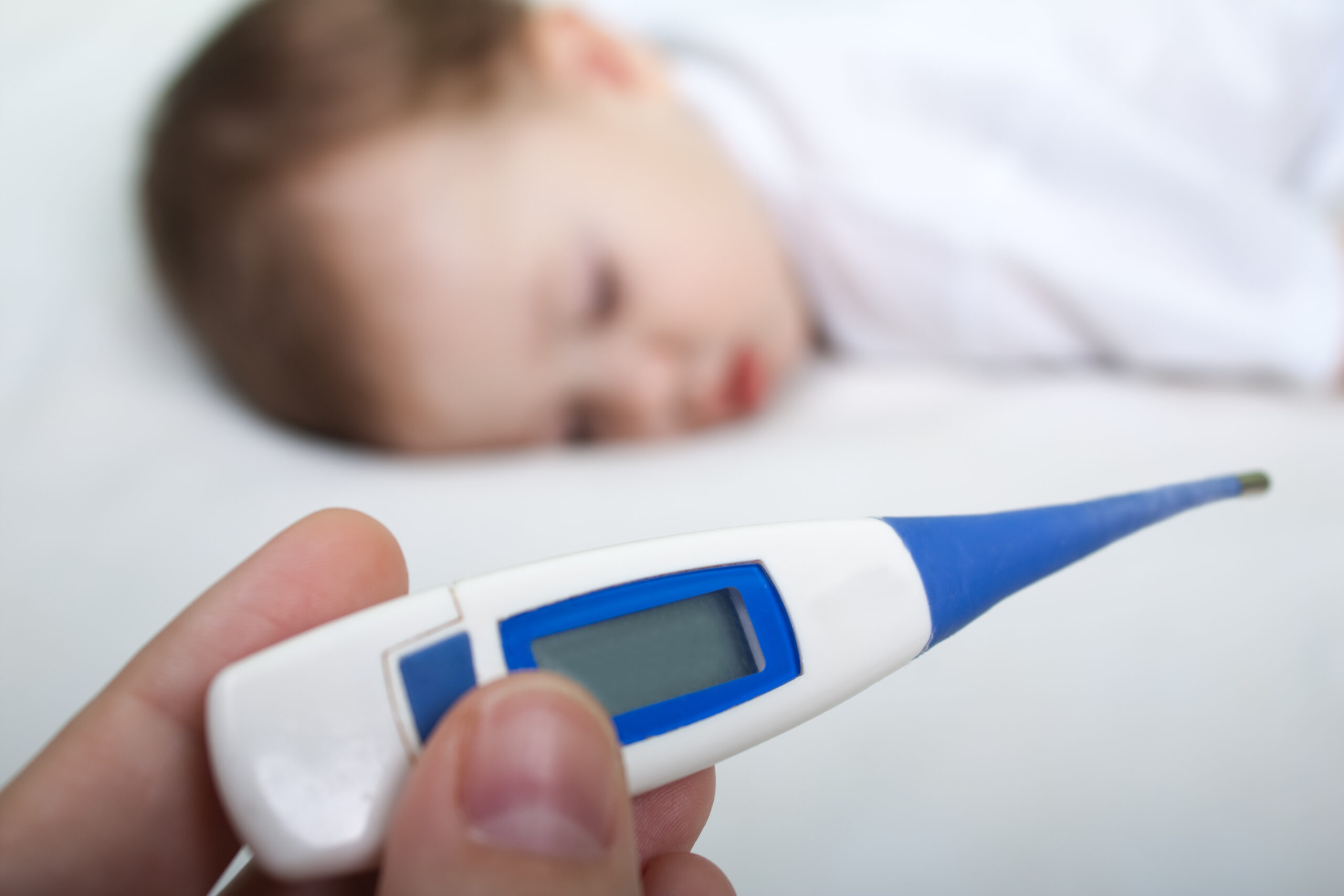
    1. A high fever over 38/39C, a fever lasting longer than five days, or other signs of serious illness. A high temperature, but with cold feet and hands. A high temperature that doesn’t come down with paracetamol or ibuprofen. The child is quiet and listless, even when their temperature is down. A high temperature in a baby less than eight weeks old.
    2. The child had a fit or seizure. 
    3. The child is having trouble breathing. Is experiencing rapid breathing or panting. You can hear a throaty noise while breathing. The child is finding it hard to get their breath and is sucking in their stomach from under the ribs.
    4. The child is projectile vomiting, cannot keep anything down, or the vomit becomes bilious and green.
    5. The child has a non-blanching rash – a spotty, purple-red rash anywhere on the body that doesn’t fade when pressed with a clear drinking glass – this could be a sign of septicaemia.
    6. The child is dehydrated, shows extreme tiredness, has a dry mouth and sunken eyes, sheds 

           fewer tears, or does not pass much urine.

    You can learn more about helping parents understand the signs of serious illness in children in our main article and get information about our accredited training course for healthcare practitioners in paediatric minor illnesses.

    Caring for a sick child 

    Almost all babies and children will catch common childhood illnesses like colds and viruses. But diagnosing a serious childhood illness should always be left to a health professional. 

    Worried parents should always be directed to a health visitor, practice nurse, nurse practitioner, pharmacist or GP for advice on how to treat a common childhood illness. If necessary, a GP can prescribe medication to treat a child, and health visitors, nurses and pharmacists can recommend medicines for the treatment of common childhood illnesses. 

    But if a child shows signs of serious illness as listed above, an ambulance should be called immediately, or the child quickly taken to the A&E of their local hospital. 


    Share. Facebook Twitter Pinterest LinkedIn Tumblr Email
    Marvin Martinez

    Related Posts

    Everyday Movements That Pressure the Pelvic Floor

    September 5, 2026

    Why the Right Treatment for Sensitive Nose Starts with the Right Diagnosis

    September 4, 2026

    How Blue Lotus Supports a Wind-Down Routine?

    August 31, 2026

    Comments are closed.

    Search
    Recent Post

    How Dentists Help Patients Choose The Right Toothbrush And Toothpaste

    September 10, 2026

    Everyday Movements That Pressure the Pelvic Floor

    September 5, 2026

    Why the Right Treatment for Sensitive Nose Starts with the Right Diagnosis

    September 4, 2026

    The Role Of Nutrition In Shaping Healthy Smiles For Children

    September 3, 2026

    4 Ways to Avoid Aesthetic Disappointment and Achieve Your Ideal Grin

    September 2, 2026
    • Get in Touch
    • Our Story
    © 2026 justaskmedical.com. Designed by justaskmedical.com.

    Type above and press Enter to search. Press Esc to cancel.