
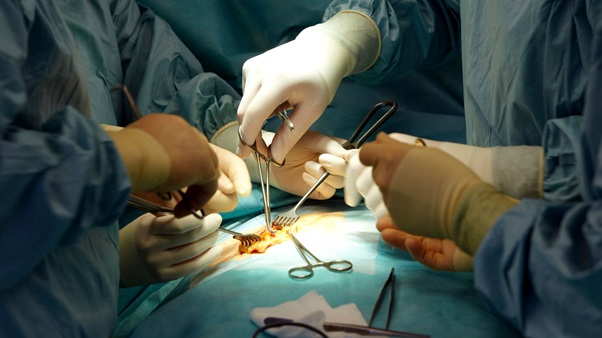
If you are suffering from a digestive condition, gastrointestinal surgery can help to treat it. Gastrointestinal surgery is a form of surgery that focuses on treating and diagnosing diseases related to the organs of the digestive system. So, what can you expect when it comes to gastrointestinal surgery? This article will explore the basics of gastrointestinal surgery and all you need to know about it.
Types of Gastrointestinal Surgery
1. Laparoscopic Reflux Surgery
This type of gastrointestinal surgery is commonly used to treat acid reflux. It involves the use of small incisions and a camera to make repairs to the esophagus and stomach. This procedure aims to reduce the amount of acid that refluxes back into the esophagus, preventing further damage to the tissue. Which, in turn, helps to reduce symptoms such as heartburn, nausea, and pain. In addition, it will also help if you know what to eat with acid reflux, as making dietary changes can also help reduce symptoms.
2. Upper Endoscopy
Upper endoscopy is a procedure that involves the insertion of a camera into your throat and upper GI tract. This helps the doctor to examine the lining of your esophagus and stomach, as well as any other structures in this area. This procedure is typically used to diagnose and treat conditions such as GERD, ulcers, and cancers. It can also be used to remove foreign objects lodged in the throat or upper GI tract or perform biopsies.
3. Bile duct Surgery
Bile duct surgery is a procedure used to treat conditions related to the bile ducts, such as gallstones and inflammation. This kind of surgery is usually done laparoscopically, as it is less invasive and has fewer risks. During this procedure, the surgeon creates small incisions through which specialized instruments are inserted. These tools allow the surgeon to inspect and repair the bile ducts with precision and accuracy.
What To Expect After Gastrointestinal Surgery?
Following gastrointestinal surgery, you can expect to experience some discomfort and soreness. This will go away over time, and the recovery process will vary based on the type of procedure you had. Getting plenty of rest and avoiding strenuous activities for about two weeks after surgery is recommended.
Additionally, you should follow all post-operative instructions from your doctor. This will help you to recover and heal properly. If you have any questions or concerns regarding the recovery process, you should always consult a doctor for gastrointestinal surgery in Baltimore to provide you with more information. They can give you the best advice for your specific situation.
To Summarize
That’s all you need to know about gastrointestinal surgery. It is important to understand everything that goes into this type of surgery to make an informed decision about your treatment. Remember to talk to a gastroenterologist if you have any questions or concerns about the procedure. They will be able to provide you with the best advice to help you make the best decision for your health.
