
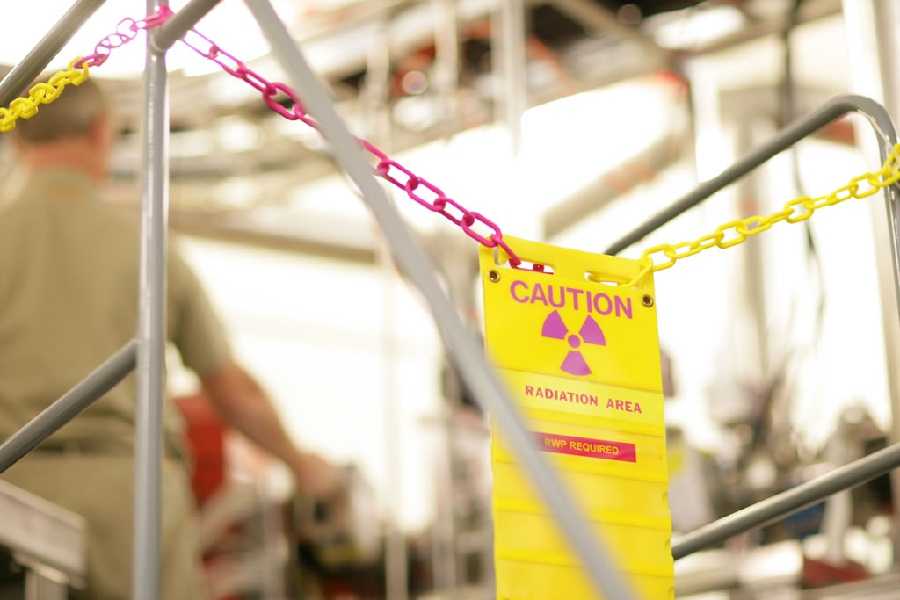
The Division of Energy Employees Occupational Illness compensation is a necessity for employees and their survivors to receive benefits for illness resulting from exposure to radiation and other toxic substances. This program is authorized by the Energy Employees Occupational Illness Compensation Program Act (EEOICPA). There are a few types of benefits under this Act that ensures these employees and their families receive aid to deal with treatments or funerary costs resulting from this type of exposure. There are also specific steps for applying for these benefits under EEOICPA.
People Who are Eligible
Current and former employees who work for the Department of Energy under contract or who work for the department’s subcontractors are eligible for compensation under EEOICPA. Survivors of these employees can also apply for benefits under EEOICPA in order to help pay the costs for remaining medical bills that come from treatment from illnesses that result from exposure to radiation. These illnesses include things like radiogenic cancers, beryllium sensitivities, chronic beryllium disease, and chronic silicosis.
Part B
Part B provides employees or their surviving families with one, lump sum for compensation. This amount can be up to $150,000.00. These funds will cover medical expenses for accepted conditions that result from radiation exposure. Part B will also provide up to $50,000.00 for people who are eligible for compensation under Section 5 of the Radiation Exposure Compensation Act (RECA). Those employees who mine, mill and transport uranium are also eligible for compensation under RECA Section 5. Part B compensation began on July 31, 2001.
Part E
Part E offers a higher compensation amount of $250,000.00 plus medical expenses, but this compensation is only for accepted conditions. The amount of compensation is based on both the level of impairment resulting from radiation exposure and the length of time of qualifying wage-loss related to treating this illness.

Eligibility Requirements
To apply for benefits under Part B, employees must have worked at least 250 days before February 1, 1992, making them a member of the Special Exposure Cohort (SEC). They must have worked at the Gaseous Diffusion Plans in Oak Ridge, Tennessee, Paducah, Kentucky, or Portsmouth, Ohio. There are certain exceptions for employees who also worked at underground nuclear testing sites in Amchitka, Arkansas.
Under Part E, only uranium miners, millers, and ore transporters are eligible for the benefit. In short, the illness must have developed as a result of toxic exposure at a facility that is covered under Section 5 of RECA. Toxic substance means more than just radiation exposure. It can also include exposure to chemicals, acids, metals, and solvents. Wage loss has to be based on the number of years an employee was unable to work, meaning they must retire due to illness or disability before the specific Social Security Retirement age, which are usually 65.
Conclusion
For families that have loved ones who suffer from exposure to radiation or other chemicals while working for the Department of Energy, this type of compensation is necessary to make sure they are taken care of as a result of a hazard from their work. These funds are meant to take care of lost wages and medical expenses. As long as requirements are met, then the compensation is there to help current and former employees and their survivors.
Resource Links
https://www.dol.gov/owcp/energy/
