
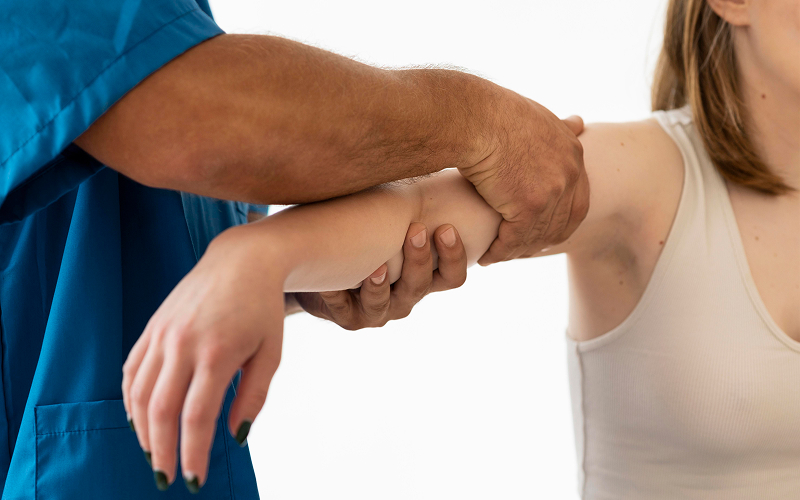
A SLAP tear (Superior Labrum Anterior to Posterior) is a type of shoulder injury involving the ring of cartilage surrounding the socket of the shoulder joint. It commonly affects athletes, manual labourers, or anyone who performs repetitive overhead movements. Despite being a well-documented orthopaedic issue, misconceptions about SLAP tears still exist, often delaying proper diagnosis and treatment.
Discover five common myths and how an ortho in Singapore can help individuals understand the condition more accurately.
1. A SLAP Tear Only Happens to Athletes
While SLAP tears are indeed frequent among athletes, particularly those involved in baseball, swimming, or tennis, this condition is not limited to them. In reality, anyone can sustain a SLAP tear through sudden trauma, falls, or even age-related degeneration. Individuals who lift heavy objects, perform repetitive shoulder movements, or experience shoulder dislocation are also at risk. Many orthopaedic specialists have seen cases among office workers who spend long hours at desks with poor posture, or among older adults whose cartilage naturally weakens over time. The misconception that only athletes are affected can lead to underestimating symptoms and delaying medical evaluation.
2. A SLAP Tear Always Requires Surgery
Another misconception is that all SLAP tears demand surgical intervention. In truth, the treatment approach depends on the tear’s severity and the patient’s lifestyle. Mild to moderate tears may be managed conservatively through physiotherapy, rest, and anti-inflammatory medication. Strengthening exercises targeting the rotator cuff and scapular stabilisers can restore shoulder stability without surgery. Surgery is typically reserved for cases involving extensive tears, recurrent instability, or failed rehabilitation. Consulting an ortho can help determine the most suitable treatment plan, as personalised management often yields ideal long-term outcomes than assuming surgery is inevitable.
3. A SLAP Tear Will Heal on Its Own
Unlike muscle strains, a SLAP tear involves cartilage damage, which has a limited blood supply and therefore a slower healing capacity. Ignoring the injury in hopes it will resolve naturally often results in chronic pain, reduced range of motion, and further joint degeneration. Patients without proper management may develop secondary issues such as shoulder impingement or biceps tendon irritation. Early assessment by a qualified orthopaedic specialist allows for correct diagnosis, typically through MRI or arthroscopic evaluation, and a tailored treatment plan that prevents complications. Waiting too long can make even minor tears more complex to treat effectively.
4. All Shoulder Pain Means a SLAP Tear
Not every shoulder ache signifies a SLAP tear. The shoulder is a complex joint made up of muscles, tendons, ligaments, and cartilage, and pain can stem from numerous sources, including rotator cuff tendinitis, bursitis, or arthritis. SLAP tear symptoms often include a deep, dull ache within the joint, clicking or locking sensations, and discomfort during overhead movements. However, only an orthopaedic assessment, supported by imaging, can confirm the diagnosis. Assuming all shoulder pain results from a SLAP tear can lead to unnecessary anxiety or self-treatment errors. Correct diagnosis is essential before any rehabilitation begins.
5. SLAP Tear Surgery Guarantees Full Recovery
Although surgical repair can restore stability and function, full recovery depends heavily on postoperative rehabilitation and patient compliance. Surgery addresses the structural problem, but the shoulder’s strength, flexibility, and coordination must be rebuilt gradually. Recovery may take several months and involves progressive physiotherapy. Failure to follow through with prescribed exercises or returning too early to strenuous activity can lead to re-injury or persistent stiffness. Patients working with an ortho often undergo a structured rehabilitation plan designed around their specific needs, ensuring recovery aligns with both physical demands and lifestyle goals.
Conclusion
A SLAP tear is a manageable condition when correctly diagnosed and treated. Misconceptions about its causes, treatment, and recovery can delay proper care or worsen the injury. Consulting an experienced ortho in Singapore ensures a valid evaluation, evidence-based treatment, and guidance through rehabilitation. Whether through conservative management or surgical repair, understanding the facts behind SLAP tears empowers patients to make informed decisions and regain optimal shoulder function safely and efficiently.
Contact Dr Bryan Tan to ensure your shoulder gets the professional care it needs.
