
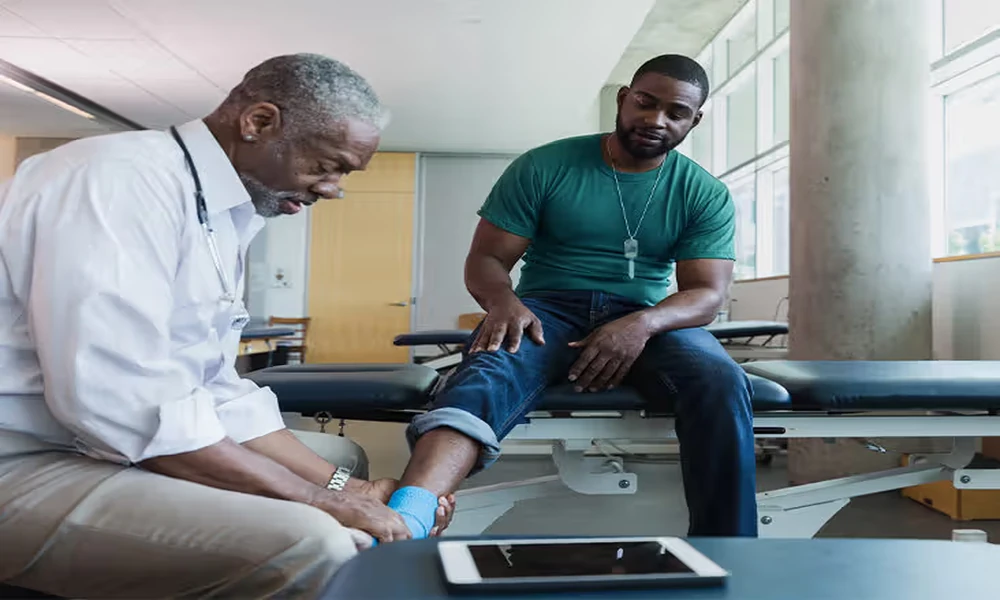
Healthcare continues to evolve as people live longer, remain active later in life, and seek effective solutions for pain and mobility issues. As a result, orthopedic doctors have become increasingly important in modern healthcare. Their expertise extends beyond treating broken bones and sports injuries. Today, they play a vital role in helping patients maintain movement, independence, and overall quality of life.
The bones, joints, muscles, ligaments, tendons, and connective parts that make up the musculoskeletal system are what orthopedic care is all about. Because these structures are so important for daily movement, getting the right care can have a big effect on a person’s health.
Orthopedic Doctors Help Address Common Health Challenges
Many people experience conditions that affect mobility at some point in their lives. Arthritis, joint pain, back problems, tendon injuries, and fractures are among the most common reasons patients seek specialized care. Orthopedic doctors are trained to diagnose these conditions and create treatment plans that address both immediate symptoms and long-term health goals.
As populations age, chronic musculoskeletal conditions are becoming more common. Older adults often require specialized care to manage joint degeneration, osteoporosis, and mobility limitations. At the same time, younger individuals may need treatment for sports injuries, workplace accidents, or repetitive stress conditions. This wide range of patient needs highlights the growing demand for orthopedic expertise.
The Importance of Early Diagnosis and Treatment
One reason orthopedic care has become so important is the emphasis on early diagnosis. Identifying a problem before it becomes severe can help prevent long-term complications and improve treatment outcomes.
Modern diagnostic tools allow specialists to evaluate injuries and conditions with greater accuracy than ever before. Imaging tools and other advanced tests help doctors figure out where the pain is coming from and make custom treatment plans for each patient. Early intervention can often reduce the need for more extensive procedures later, helping patients return to normal activities more quickly.
Advancements in Orthopedic Care
Medical innovation has transformed the field of orthopedics. New surgical techniques, minimally invasive procedures, and improved rehabilitation strategies have enhanced patient outcomes and shortened recovery times.
Many treatments that once required lengthy hospital stays can now be performed using advanced methods that reduce discomfort and promote faster healing. Joint replacement procedures, ligament repairs, and arthroscopic surgeries have become more effective due to ongoing technological advancements.
These developments allow orthopedic specialists to provide solutions that are tailored to each patient’s condition, lifestyle, and recovery goals. The ability to combine modern technology with personalized care has strengthened the role of orthopedics within the broader healthcare system.
Supporting Active and Healthy Lifestyles
Modern healthcare increasingly focuses on prevention and wellness, not just treatment. Orthopedic doctors contribute to this goal by helping individuals maintain healthy and active lifestyles.
Whether working with athletes, office workers, or retirees, orthopedic specialists provide guidance that supports long-term physical health. They often recommend exercise programs, rehabilitation plans, injury prevention strategies, and lifestyle modifications that reduce the risk of future problems.
This preventive approach benefits patients by helping them remain active and independent for longer periods. It also supports healthcare systems by reducing the need for more complex treatments in the future.
The Future of Orthopedic Doctors in Healthcare
The importance of orthopedic doctors is expected to continue growing as healthcare priorities shift toward mobility, quality of life, and preventive care. Advances in technology, increased awareness of musculoskeletal health, and rising patient expectations will further expand the role of orthopedic specialists.
As more people seek solutions for pain management, injury recovery, and long-term mobility, orthopedic care will remain a key component of comprehensive healthcare. By helping patients move comfortably and maintain independence, orthopedic doctors contribute to healthier communities and improved overall well-being.
Conclusion
The growing importance of orthopedic doctors in modern healthcare reflects the increasing need for specialized musculoskeletal care. From diagnosing common conditions to performing advanced procedures and promoting preventive health strategies, these specialists play a critical role in improving patient outcomes. As healthcare continues to evolve, orthopedic professionals will remain essential in helping individuals maintain mobility, recover from injuries, and enjoy a better quality of life.
