
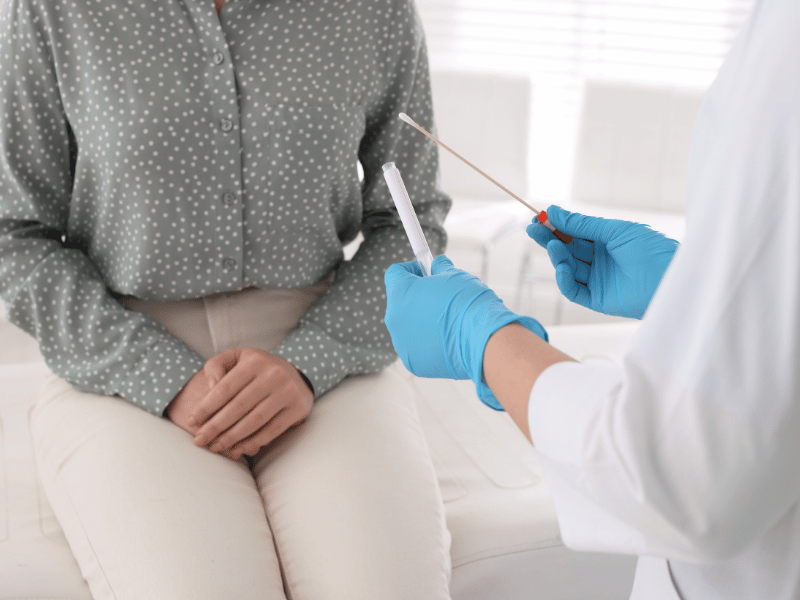
Getting tested for sexually transmitted diseases can feel scary. Your mind might race with questions about what comes next. This guide helps you feel more prepared and less anxious through the whole process.
Understanding Why Testing Matters
Sexual health affects your overall wellbeing. Many infections show no symptoms at first. You could feel perfectly fine whilst carrying something that needs treatment. Regular screening helps catch problems early when they’re easier to treat.
Testing also protects your partners. Knowing your status means you can make informed choices. It shows respect for yourself and the people you care about.
When Should You Get Tested
If you’re sexually active, regular checks make sense. This matters even more if you have multiple partners or recently started seeing someone new. After unprotected sex, booking an STD test gives peace of mind.
Some infections take time to show up in tests. Doctors call this the window period. Waiting two weeks after potential exposure usually works for most tests. Some infections need longer, so ask your healthcare provider about timing.
Preparing for Your Appointment
You don’t need much preparation. Write down any symptoms you’ve noticed, even minor ones. Think about when you last had sex and whether protection was used. This information helps medical staff decide which tests you need.
Many people worry about judgment. Remember that clinics see hundreds of patients. Staff focus on your health, not your personal life. They’ve heard everything before.
What Happens During Testing
The process varies depending on which infections you’re checking for. Common methods include urine samples, blood tests, and swabs. Most procedures take just minutes and cause minimal discomfort.
You can often choose between different testing locations. Sexual health clinics offer free, confidential services. Your GP surgery provides another option. Some areas have mobile testing units or home testing kits.
Waiting for Results
This period feels longest. Results typically arrive within days or weeks depending on the tests. Try to stay busy and avoid searching symptoms online. Internet searches often make anxiety worse with worst-case scenarios.
Remember that many STDs are completely treatable. Modern medicine handles most infections effectively. Even conditions that can’t be cured can be managed well with proper care.
Managing Your Emotions
Feeling nervous is normal. Talk to trusted friends or use support helplines if needed. Keep perspective by remembering that getting an STD test is a responsible health decision. You’re taking control of your wellbeing.
Some people find distraction helpful. Others prefer to acknowledge their worries directly. Choose whatever coping method works for you during the waiting period.
Understanding Your Results
Negative results mean no infection was detected. You can feel relieved but remember that tests check for specific infections. If you had unprotected sex recently, consider retesting after the window period passes.
Positive results need calm attention. Take time to process the news. Medical staff will explain what the infection means and outline treatment options. Most people with positive results receive successful treatment and go on to live healthy lives.
Next Steps After Diagnosis
Treatment depends on the specific infection. Bacterial infections like chlamydia usually clear up with antibiotics. Viral infections may need ongoing management. Follow your treatment plan completely, even if symptoms disappear quickly.
Contact recent partners so they can get tested too. This feels awkward but prevents spreading infections further. Many clinics offer partner notification services to help with this difficult conversation.
Moving Forward
Getting tested for STDs shows maturity and self-care. Whether results come back positive or negative, you’ve taken an important health step. Regular testing becomes easier each time you do it.
Use protection in future encounters to reduce risk. Condoms work well when used correctly. Communication with partners about sexual health creates stronger, more honest relationships.
Your sexual health matters just as much as any other aspect of your physical wellbeing. Regular screening, honest communication, and prompt treatment when needed keep you and your partners safe. There’s no shame in protecting yourself through testing.
