
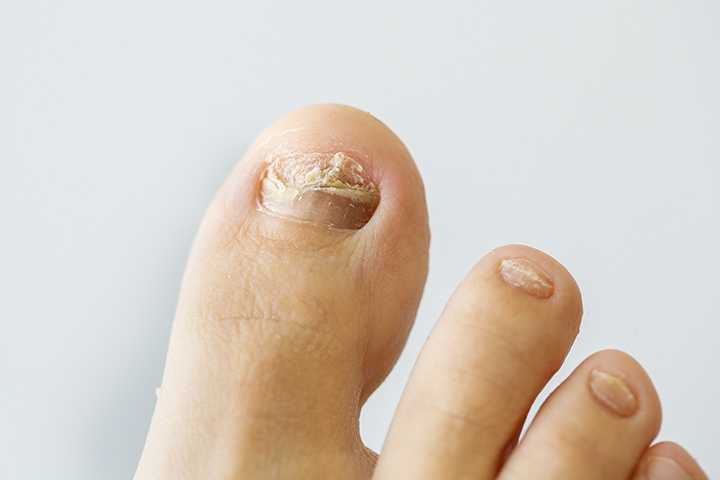
When the corners or edges of the nail grow into the skin, an ingrown toenail develops.
Typically, if not infected, ingrown toenails will respond to home remedies. However, if it has become infected or when the toenail has pierced the skin, ingrown toenail surgery might be necessary.
If you have diabetes (or other medical conditions that may cause poor circulation), you are at a higher risk of developing complications.

Causes
Some of the common causes of ingrown toenail include:
- Cutting toenails straight across
- Curved, irregular toenails
- Shoes that put pressure on the big toes (stockings and socks that are too tight can also result to ingrown toenails)
- Injury
- Lack of foot hygiene
Symptoms
Ingrown toenails are often very painful. Left untreated, it can get infected. Treating it as soon as possible is often recommended.
In its early stages, common symptoms that will manifest are:
- Swelling and tenderness of the skin next to the infected nail
- Pain when there is pressure on the affected area
- Noticeable fluid buildup around the affected toe
When the ingrown toenail becomes infected, the symptoms may include:
- Redness and swelling
- Pain
- Pus
- Skin overgrowth
- Bleeding

Diagnosis
In most cases, the condition is diagnosed through physical examination. However, if the affected toe has become infected, an X-ray might be necessary.
An X-ray might also be required if:
- Pain is severe
- The condition is caused by an injury
- Patient has a history of chronic infections
Treatment
For ingrown toenails that are not infected, home remedies will often suffice. However, if there are signs of infection or if the toenail has pierced the skin, seeking medical treatment is recommended.
Home Remedies
Treating an ingrown toenail at home entails:
- Soaking your feet in warm water (at least 3 to 4 times daily)
- Pushing the skin away from your toenail edge (using cotton balls soaked in olive oil is recommended)
- Using OTC medications (acetaminophen to relieve the pain)
- Applying topical antibiotic (to help combat infection)
Surgical Treatment
If the condition does not respond to home remedies, an ingrown toenail surgery recommended.
- Partial nail removal – if you manifest symptoms like redness, pus, pain, and swelling, the doctor will trim or remove a portion of the nail. An anesthetic will be used to numb the toe prior to the surgery.
- Nail and tissue removal – if the condition has affected a toe more than once, removing the nail bed (underlying tissue) as well as a portion of the nail will be recommended. This will ensure the nail’s affected part does not grow back.
After Surgery
After the operation, you will be sent home with a bandaged toe. Raising the foot for a day or two after the surgery will also be recommended. The bandage is often removed on the second day.
Your doctor will also instruct you to wear open-toed footwear, at least for the time being. Daily saltwater soaks might also be prescribed until the toe heals.
Painkillers are often given to alleviate the pain and antibiotics will be prescribed to keep infection at bay.
Prevention
To help prevent ingrown toenails from the developing, keep the following tips in mind:
- When trimming the toenails, make sure it’s straight across and the edges are not curved in
- Avoid trimming the nails too short
- Wear proper fitting stockings, socks, and footwear
- When working in hazardous environments, wear steel-toed boots
If you have toenails that are abnormally thick or curved, surgery might be needed to prevent the condition from developing.
