
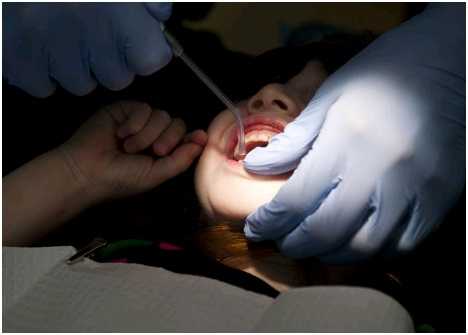
Wisdom teeth removal is necessary to maintain your oral and general health. Wisdom teeth extraction is a serious surgical procedure done under general or local anaesthesia. The recovery time can be longer depending on your body’s ability to heal, oral hygiene, age and complexity of the procedure. The most common complication arising post removal would be the pain. Unnecessary pain and other complications can be minimised if you follow the post-surgery instructions.
Instructions To Follow After Wisdom Teeth Removal In Sydney:
- Bleeding:
A small amount of bleeding or slight redness in saliva is common after extraction. Rinse or wipe-off any blood clots from your mouth, place and bite a piece of soaked cotton or gauze for about 30 minutes. If bleeding does not stop, bite on a moistened tea bag, the tannin in tea will promote clotting of blood. If bleeding does not stop, contact your surgeon.
- Swelling:
Swelling around cheeks, mouth, eyes, ears and sides of the face is common after wisdom teeth extraction. The swelling may persist for about 2 to 3 days post-surgery. Keep ice bags on your cheeks to feel relaxed. Numbness and swelling often accompany for some days post-surgery. Even after 36 hours of Wisdom Teeth Removal Surgery cary nc, if the swelling has not subsided, place moist heat in areas around your cheeks.
- Pain:
Pain is as common as swelling after wisdom teeth extraction. Take all the medications prescribed by your dentists correctly. Inform your dentists if you are allergic to any drugs. Do not drive or work with heavy machinery for some days and avoid alcohol. The degree of pain must subside day by day, if the pain persists longer or is unbearable, visit your dentist.
- Diet:
After general anaesthesia, take only liquid food for some hours. You can gradually move on to soft foods by chewing them away from your surgery area. Gently sip water and do not use a straw, the sucking motion can cause more bleeding. Take high calorie and protein-rich diet to keep yourself healthy. Food intake will be reduced so compensate it with a liquid diet. Do not miss any meals.
- Keep Your Mouth Clean:
Post removal of wisdom teeth in Sydney, do not wash your mouth until the next day. From the second day start rinsing your mouth with salt water for at least 5-6 times a day.
- Antibiotics:
If you are placed on antibiotics, finish the dosage. These are prescribed to prevent bacterial infection. Stop the antibiotic immediately and contact your dentist if you feel any unfavourable reactions.
- Sutures:
After any affordable wisdom teeth removal cost in Sydney, the area of surgery will be sutured to prevent bleeding. If your sutures are dislodged, do not panic just remove them and discard. Sutures will be removed approximately after one-week post-surgery. The pain and swelling should subside before removal. Removal of sutures is easy and requires no needles or anaesthesia. There is usually no discomfort associated with suture removal.
