
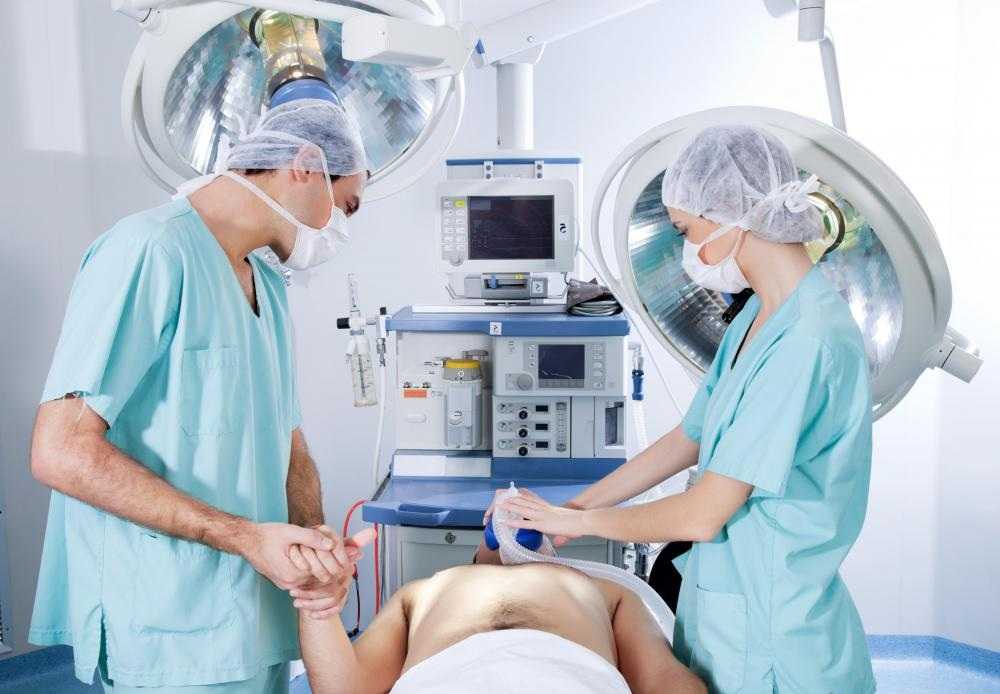
About Monitored Anesthesia Care
Monitored anesthesia care is essentially a service for therapeutic or diagnostic procedures that are performed while the patient is under local anesthesia, be it sedation or analgesia, in order to perform surgeries without worrying about the patient’s reflexes getting in the way, or the patient feeling any pain or discomfort. It is actually the primary choice in about 10% to 30% of all modern surgical procedures. There are several purposes to monitoring the sedation of a person, and those include, but aren’t limited to: the safety of the person being sedated, helping to maintain proper anxiety levels of the patient, and to control any pain that the patient may experience during a procedure. While sedated, the patient is still able to respond and answer any orders that may be received, and is able to maintain proper breathing and protection of the airways. An additional purpose for monitored anesthesia care is to make sure that the patient is satisfied so that he or she can be discharged in a more timely manner. 
There are a wide variety of procedures, surgical or otherwise, that may be performed while the patient is under monitored anesthetic care, but it is important that the patient’s level of consciousness be evaluated during a surgical procedure, making sure that the patient maintains a level of consciousness but is still properly sedated as to not experience discomfort or pain. There are also a varying degree of stages in which the patient may experience during monitored anesthesia care. These are as follows:
The Stages of Monitored Anesthesia
Stage 1: Some excitement may occur, and a rise in respiratory rate and heart rate are common, but this only lasts a short while until the drug takes effect
Stage 3: Some loss of general consciousness begins to occur, but some exaggerated reflex responses can be common, and in some cases the patient may feel nauseous
Stage 3: The patient will feel sedated, most reflexes will be absent, and the muscles will be relaxed. This is the stage in which most surgeries will take place.
After The Procedure
Recovering from monitored anesthesia care is usually a very simple process. The patient will relax, usually in a bed, until the effects of the drug wear off. There are usually only mild side effects that follow, such as some drowsiness and a feeling of euphoria, to some this can even be a quite pleasant part of the experience. The patient’s vital signs will be monitored for a while after the anesthesia wears off, and there are rarely any complications that occur after a successful procedure.
Over-all, monitored anesthesia care is not something to be afraid of. Procedures have been nearly perfected and complications are extremely unlikely to occur.
