
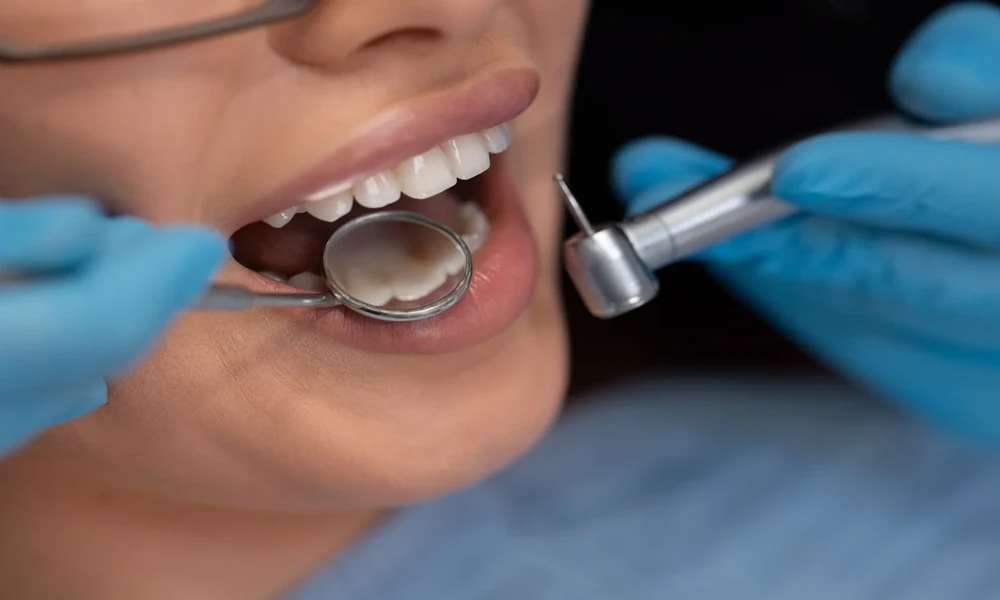
Losing a tooth changes more than your smile. You may notice your bite feels off, food gets trapped more easily, or one side of your mouth starts doing all the work. Then there is the part many people do not expect. Your face can begin to change too. Cheeks may look flatter, the jaw can lose definition, and the lower face may seem shorter over time. That shift can feel unsettling because it happens slowly, then all at once you see it in the mirror. An Oral Surgeon for Bernards NJ can help explain why these changes happen and what options may help restore function and appearance.
Tooth loss affects the bone under the gums, and bone loss affects facial shape. That is where implant dentistry for facial support matters. Dental implants replace the missing tooth root, which helps stimulate the jawbone and reduce the shrinkage that often follows tooth loss. If you are looking into care from an oral surgeon and implant dentist, the goal is not only to fill a gap. It is to protect structure, function, and the way your face ages after tooth loss.
Tooth Loss Triggers Bone Loss and Facial Changes
Your natural tooth roots do a constant job beneath the surface. Every time you bite and chew, they send pressure into the jawbone. That pressure tells the bone to stay active and strong. Once a tooth is gone, that signal drops off. The body starts to resorb, or break down, bone in that area because it no longer sees the need to maintain it.
This is one reason missing teeth can make the face look older. The change is not just cosmetic. As the jawbone shrinks, nearby teeth can drift, your bite can shift, and dentures may become looser with time. According to the National Institute of Dental and Craniofacial Research, tooth loss remains a common issue for adults, which means these structural changes affect many people, not just a small group with unusual dental problems.
You might think it is only one back tooth, so how much can it really matter? In real life, even one missing tooth can start a chain reaction. You chew less on that side, the opposing tooth may move, and the surrounding bone begins to thin. When several teeth are missing, the effect on facial fullness and lower face support becomes harder to ignore.
Dental Implants Support the Jaw in Ways Other Replacements Cannot
Bridges and dentures can restore appearance and some function, and for many people they are useful options. They do not replace the root inside the bone. A dental implant does. That difference is the reason preserving facial structure with dental implants is such a common part of treatment planning.
An implant is placed in the jawbone where the missing root used to be. As it heals, the bone bonds to the implant. That connection helps keep the bone engaged when you chew. The University of Rochester Medical Center explains in its overview of considering dental implants that implants can help preserve bone and maintain the shape of the jaw. That matters if you want a replacement that does more than sit on top of the gums.
The University of Illinois Chicago College of Dentistry also notes in its guide to dental implants that implants are a popular option because they closely mimic natural teeth in both function and feel. For many patients, that means better chewing, more confidence speaking, and less worry about a restoration shifting at the wrong moment.
Facial Structure Changes Become More Noticeable the Longer a Tooth Is Missing
Time matters. Bone loss tends to be most active after a tooth is removed, and it can continue if the space is left untreated. That does not mean you have missed your chance if a tooth has been gone for years. It does mean planning becomes more important. Some patients need bone grafting before implant placement because the jaw has already narrowed or lost height.
This is where people often feel stuck. They want a lasting solution, but they are worried about cost, surgery, healing time, or whether they still qualify. Those concerns are real. An oral surgeon and implant dentist can evaluate the amount of remaining bone, the health of your gums, your medical history, and the best timing for treatment. Sometimes the answer is straightforward. Sometimes it takes a staged plan. Either way, clear information usually lowers the stress.
Dental Implant Treatment Compared With Other Tooth Replacement Options
| Option | Replaces Tooth Root | Helps Preserve Jawbone | Effect on Facial Support | Long-Term Consideration |
|---|---|---|---|---|
| Dental Implant | Yes | Yes | Best support for maintaining jaw shape after tooth loss | May require surgery and healing time, but offers strong stability |
| Dental Bridge | No | No | Restores visible tooth, limited effect on underlying bone support | May involve reshaping nearby teeth |
| Removable Denture | No | No | Can restore some facial fullness, but does not stop bone shrinkage | Fit can change as bone and gums change over time |
The key issue is not whether a replacement looks acceptable on day one. It is whether it helps protect the bone that supports your face over the years. That is why many people choose tooth replacement with implants when they want both function and structure.
Small Early Steps Can Protect Your Options
Schedule an implant evaluation before more bone is lost. Even if you are not ready to move forward right away, an exam gives you a clear picture of your bone levels and treatment choices. Waiting without information often costs more later, both in money and in treatment complexity.
Ask about the condition of your jawbone, not just the missing tooth. A good consultation should cover bone volume, bite alignment, gum health, and whether grafting is needed. If you have been wearing a denture or living with a missing tooth for a while, this part matters as much as the visible gap.
Think in terms of long term support, not short term patching. The least expensive option upfront is not always the one that protects your face, bite, and comfort over time. Ask how each option affects chewing strength, future bone loss, and the shape of your lower face.
Protecting Your Smile Also Protects Your Facial Structure
If you have been putting this off, you are not alone. Many people live with missing teeth longer than they planned because life gets busy, costs add up, or the problem does not seem urgent until the changes become visible. Still, the connection is clear. Replacing a missing tooth root can help support the jawbone, and that support helps maintain the shape of your face. Care from an oral surgeon and implant dentist can give you a plan that fits where you are now and protects what comes next.
Take the next step and schedule a consultation to find out whether dental implants are the right choice for your smile, your bite, and your facial structure.
