
Many people brush their teeth regularly in order to maintain fresh breath and white teeth. But it’s also just as important to keep your oral health in excellent shape. Brushing and flossing are not enough. If you suspect problems in your teeth and gums, you should see a dentist. Better yet, schedule an appointment with a professional periodontist if you think you have gum disease.
The following are some problems you may encounter when a gum problem goes untreated:
- Bad breath
Bad breath in itself is a symptom of a condition. It’s embarrassing to say the least, but more importantly, it can be dangerous to your health. Bad breath is common among people with gum problems. If it goes untreated, gum disease can increase your risk of getting respiratory infections like pneumonia and chronic obstructive pulmonary disease.
- Clogged bloodstream
People who have a gum disease are more likely to show symptoms of coronary artery disease. Bacteria can attach themselves onto fatty plaques, which can cause blood clots that trigger heart attacks.
- Memory loss
Study shows that those with poor oral health and, subsequently, fewer teeth have an increased risk of dementia. Experts believe that the bacteria originally attached on the gums may spread upwards to the brain. Bacteria can block the blood stream or contribute to the type of plaque that causes Alzheimer’s.
- Diabetes
Diabetes is a disease that’s common among people who do not take care of their oral health. Research shows that it’s much harder to control your blood sugar if you have gum disease. Experts also agree that diabetic people are more vulnerable to infections, which could explain why they develop health problems when their gum disease goes untreated.
- Miscarriage
Researchers in Western Australia have discovered that women who were trying to bear a child took longer if they were having oral health issues. Research also shows that pregnant women with gum disease have a greater risk of miscarriage.
Taking care of your oral health
Brushing and flossing your teeth is the most basic way to take care of your mouth. Take your time when brushing your teeth and do it correctly. Experts say that you need to brush your teeth for two minutes before rinsing. This gives the toothbrush a better chance of getting rid of the bacteria buildup in your mouth and the crevices of your teeth.
Mouthwash greatly reduces the risk of gum disease. Experts agree that rinsing your mouth will reduce plaque and gingivitis by 60%. Rinsing or gargling for a minimum of 30 seconds with a dentist-prescribed mouthwash is ideal for maximum protection. Many brands of mouthwash also help keep your breath fresh.
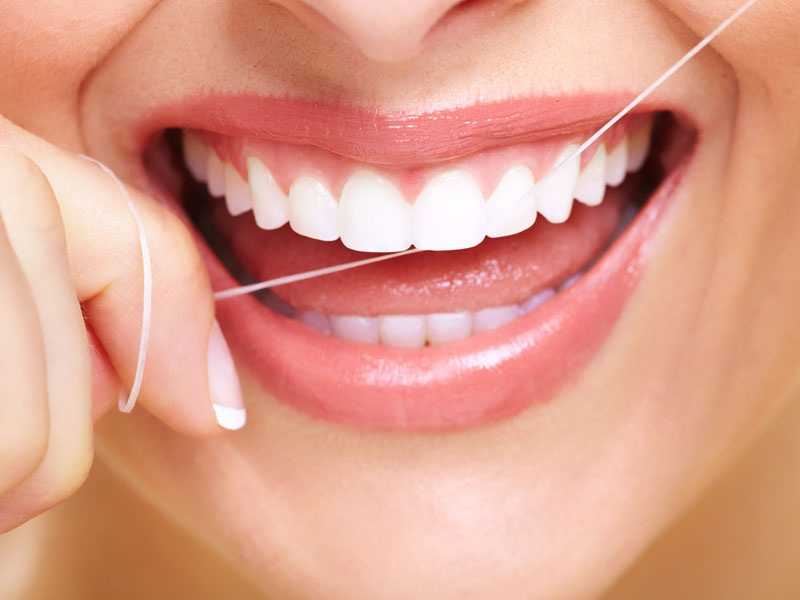
Professional periodontists also suggest that you floss before you brush your teeth. Flossing can remove food particles stuck between your teeth, which keeps bacteria away. Alternatives such as floss picks make it easier to floss without having to worry about it slipping between your fingers.
