
You brush when you can, you mean to floss more, and you probably tell yourself you will book that cleaning soon, especially if you have been considering dental implants in Chelsea NYC. Then life gets loud. Work runs late, kids need rides, a tooth feels “fine enough,” and oral care slips into the background until something hurts. That is usually how trouble starts. Most dental problems do not show up all at once. They build slowly, and by the time you notice them, you may be dealing with pain, cost, and time you did not plan to lose.
A good general dentist sees this pattern every day. The good news is that prevention still does most of the heavy lifting. A few steady habits lower your risk for cavities, gum disease, bad breath, enamel wear, and expensive treatment later. If you want the short version, here it is. Brush well, clean between your teeth, watch what you sip and snack on, keep regular dental visits, and pay attention to small changes before they turn into bigger ones.
Preventive dental habits work because small problems grow quietly
Oral health problems rarely begin with a crisis. Plaque forms fast. Gums get irritated before they bleed enough to alarm you. A dry mouth from medication, mouth breathing, or dehydration can raise your cavity risk without much warning. You can feel like you are doing enough and still miss the one habit that would have made the difference.
That is why dentists keep coming back to the basics. According to the National Institute of Dental and Craniofacial Research oral hygiene guidance, brushing twice a day with fluoride toothpaste and cleaning between teeth daily are core steps for protecting both teeth and gums. These are not cosmetic tips. They are the routine that interrupts decay before it digs in.
The first habit is brushing for two full minutes, twice a day, with fluoride toothpaste. Technique matters more than force. Scrubbing hard can wear down enamel and irritate gums. A soft bristle brush, gentle circles, and coverage along the gumline do more than a rushed, aggressive brush ever will.
The second habit is cleaning between your teeth every day. Floss, picks, water flossers, interdental brushes. The tool matters less than the follow through. Cavities and gum inflammation often start where your toothbrush does not reach. If your gums bleed at first, that does not always mean you should stop. It often means the tissue is inflamed and needs more consistent care.
The third habit is watching sugar, acid, and constant snacking. Many people think only candy counts. It is also sports drinks, soda, sweet coffee, juice, energy drinks, and the slow all day sipping that keeps your mouth under attack. Your teeth need breaks. Saliva helps repair early acid damage, but it cannot do that job well if your mouth never gets a rest.
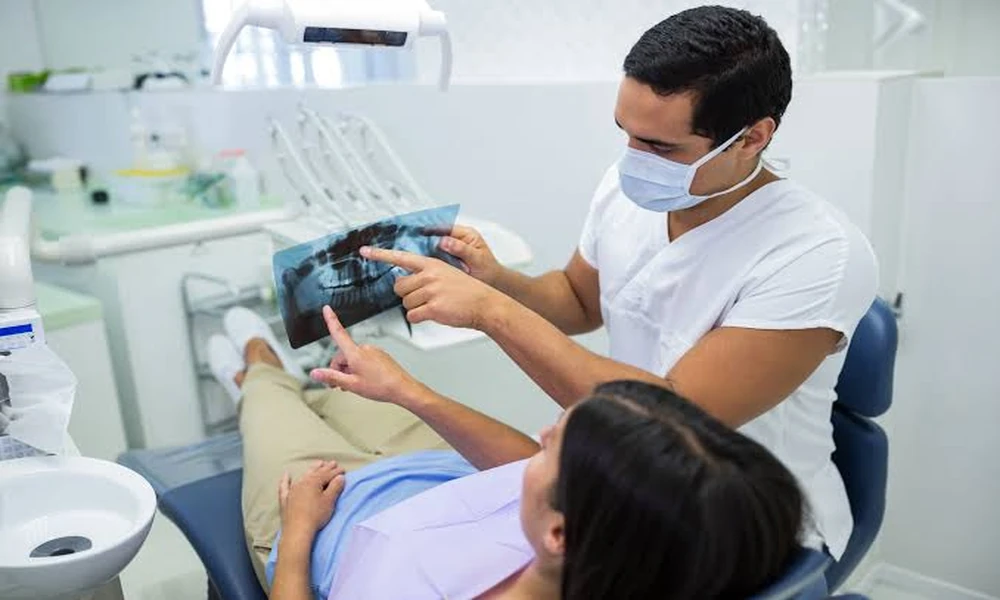
The fourth habit is keeping up with checkups and cleanings. Even strong home care leaves some buildup behind. A dentist can catch early decay, gum recession, grinding, bite issues, and signs of oral cancer before they become harder to treat. The CDC’s oral health tips for adults also point to routine dental visits as part of prevention, along with brushing, flossing, and avoiding tobacco.
The fifth habit is noticing changes and acting early. A sore that does not heal, bleeding gums, tooth sensitivity, jaw pain, dry mouth, or chronic bad breath are not things to “wait out” for months. They may be minor. They may also be the first clue that something is shifting. Early care is usually simpler, less invasive, and less expensive.
Simple oral health habits protect more than your teeth
You feel dental problems in your schedule and your wallet long before you see a treatment plan. A small cavity can often be handled quickly. Ignore it, and you may be looking at a crown, a root canal, or an extraction. Gum disease can follow the same path. It starts with inflammation and can move into deeper infection and bone loss if it is left alone.
There is also the daily strain people do not talk about enough. You stop chewing on one side. You avoid cold drinks. You smile less in photos. You wake up with jaw tension and tell yourself it is just stress. Prevention is not only about avoiding disease. It is about keeping your mouth comfortable and your routine normal.
Public health guidance supports that bigger picture. The CDC overview of oral health connects oral health with overall well being across the lifespan. That matters for children learning good habits, adults balancing work and family, and older adults managing dry mouth, gum recession, or medications that affect the mouth.
Daily prevention and delayed care lead to very different outcomes
| Habit or Choice | What It Looks Like Day to Day | Likely Result Over Time |
|---|---|---|
| Brush twice daily with fluoride toothpaste | Two minutes in the morning and at night, gentle brushing along the gumline | Lower plaque buildup, fewer cavities, less gum irritation |
| Clean between teeth daily | Floss or use an interdental tool once a day | Less bleeding, lower risk of decay between teeth, healthier gums |
| Frequent sugary or acidic sipping | Soda, juice, sports drinks, or sweet coffee throughout the day | Higher risk of enamel wear and tooth decay |
| Regular dental checkups | Professional exams and cleanings on a schedule your dentist recommends | Earlier detection, simpler treatment, fewer urgent visits |
| Ignoring early symptoms | Waiting on sensitivity, bleeding gums, or mouth sores | More involved treatment, more discomfort, higher cost |
Preventive dental care tips you can start using today
Set your mouth up for success. Put floss where you will see it, not where you think it “should” go. Keep a spare toothbrush or travel kit in your bag or at work. If you miss night brushing because you are exhausted, make the bathroom routine easier, not stricter.
Change the pattern, not your whole life. If you sip sweet or acidic drinks all day, start by limiting them to mealtimes and drinking water after. If brushing feels rushed, use a timer or an electric toothbrush. Small changes stick better than a burst of effort that disappears in a week.
Book care before there is pain. Preventive visits are part of smart planning, not a reward for having “perfect” teeth. If it has been a while, that is common. The best time to restart is now. A dentist-recommended oral health routine works best when home care and professional care support each other.
Healthy teeth at every age come from steady habits
You do not need a perfect routine to protect your smile. You need a repeatable one. Brushing well, cleaning between teeth, cutting back on constant sugar and acid, keeping regular visits, and acting on early warning signs will prevent a lot of what sends people into the dental chair in pain.
If you have fallen behind, you are not alone, and you are not stuck. Start with one habit today, then add the next. If you are due for an exam, schedule a visit with a general dentist and get a clear picture of where your oral health stands.
