
You notice the crack when you bite down on something soft, or the sharp sting that was easy to ignore last month suddenly starts showing up with coffee, cold water, and dinner. Tooth trouble rarely arrives all at once, and a family dentist in Hanover Park can often help before it gets worse. It builds quietly, then starts affecting how you eat, speak, smile, and sleep. That stress is real, especially when you are trying to figure out whether a tooth can still be saved or if the damage has gone too far.
That is where restorative care changes the path. The goal is not just to fix what hurts today. It is to protect what you still have, stop small problems from turning into bigger ones, and keep your natural teeth working for as long as possible. Restorative dentistry does that in practical ways, from filling decay early to rebuilding teeth that have been worn down, cracked, or infected.
Early restorative treatment stops small damage from becoming tooth loss
A cavity is easy to dismiss when it is not causing pain. The problem is that decay does not stay still. It moves through enamel and into deeper layers of the tooth, where treatment gets more involved and more expensive. According to the National Institutes of Health overview on tooth decay, untreated decay can lead to pain, infection, and tooth loss.
A simple filling preserves more of your natural tooth than waiting until you need a crown or root canal. That matters because every stage of damage removes more healthy structure. Saving a tooth often comes down to timing. If you have ever put off care because the problem felt manageable, you are not alone. Many people do that, then end up needing much more than they expected.
Dental crowns and bonding reinforce teeth that have weakened over time
Teeth do not need a dramatic injury to break down. Grinding, old fillings, acid wear, and years of chewing can leave a tooth thin and fragile. You may not see the weakness, but you feel it when one side of your mouth becomes the side you trust and the other becomes the side you avoid.
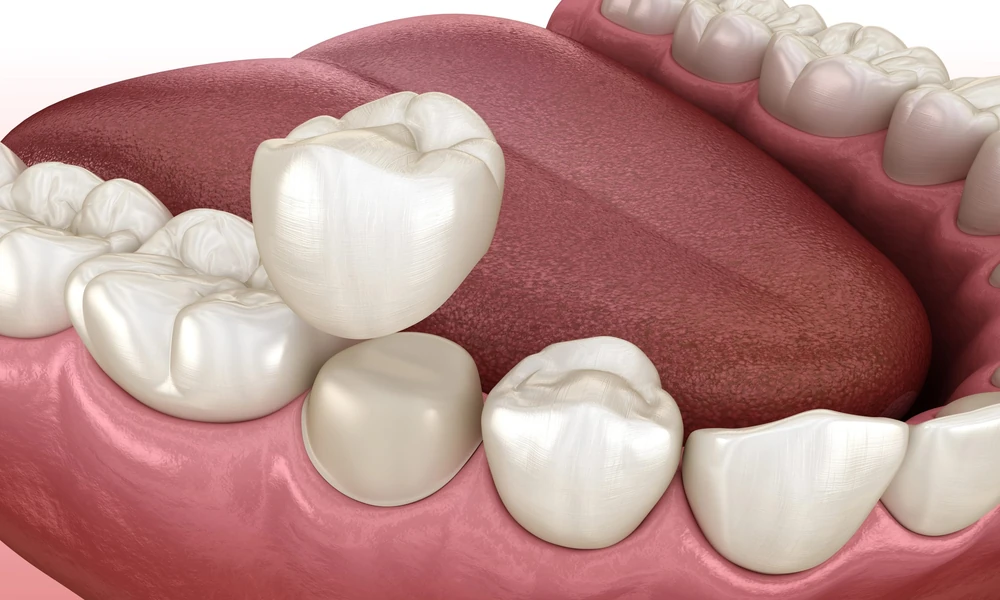
Restorative treatments like crowns and bonding give that tooth support before it splits. A crown covers and protects a damaged tooth so normal pressure does not finish the fracture. Bonding can repair chips and worn spots before they deepen. This is one of the clearest ways tooth restoration extends the life of your teeth. It helps a compromised tooth keep functioning instead of failing under daily use.
Root canal therapy preserves natural teeth that might otherwise be removed
When infection reaches the pulp inside a tooth, the pain can be hard to ignore. Some people assume extraction is the only answer. In many cases, root canal therapy removes the infected tissue, seals the tooth, and allows it to stay in place. That matters because keeping your natural tooth helps maintain normal bite balance and reduces extra strain on neighboring teeth.
The MedlinePlus page on tooth decay explains how untreated decay can spread deeper into the tooth and create infection. Once that happens, delay raises the risk of swelling, severe pain, and further structural loss. Saving the tooth at that stage often depends on acting before the outer walls become too weak to restore.
Replacing missing teeth protects the teeth that remain
One missing tooth can start a chain reaction. Nearby teeth shift into the open space. The opposing tooth may drift. Your bite changes, food traps more easily, and uneven pressure starts wearing down areas that were never meant to take that load. You might only notice that chewing feels off, or that floss keeps catching where it did not before.
Restorative options such as bridges, dentures, and implants help stabilize the mouth after tooth loss. This is not only about appearance. It is about preserving the teeth you still have. The CDC information on cavities and tooth decay makes clear that oral disease can lead to pain, infection, and tooth loss, all of which affect daily function. Replacing a missing tooth helps prevent more loss from following it.
Restorative dentistry supports long term oral function, not just short term repairs
The strongest reason restorative care extends tooth life is that it treats the mouth as a working system. A repaired tooth has to fit your bite, handle pressure, and allow you to clean around it. Done well, general, cosmetic, and restorative dentistry protects comfort and function at the same time. That can mean replacing a broken filling before it leaks, adjusting a crown that hits too hard, or rebuilding worn edges so your teeth stop grinding against each other in damaging ways.
This is the difference between patching a symptom and preserving your teeth for the long run. Dental restoration works best when it solves the reason the damage happened, not just the damage itself.
Common restorative options and how they help extend tooth life
| Treatment | Best For | How It Helps Teeth Last Longer |
|---|---|---|
| Filling | Small to moderate decay | Stops decay early and preserves more natural tooth structure |
| Bonding | Chips, minor cracks, worn edges | Seals vulnerable areas and reduces further breakdown |
| Crown | Weak, cracked, or heavily filled teeth | Protects the tooth from fracture during normal chewing |
| Root canal with crown | Deep decay or infection | Saves a natural tooth that might otherwise need extraction |
| Bridge, denture, or implant | Missing teeth | Prevents shifting and reduces stress on remaining teeth |
Small steps now make restorative treatment simpler later
Pay attention to changes that seem minor. Sensitivity, rough edges, food catching between teeth, and a bite that suddenly feels uneven often point to damage before it becomes an emergency.
Do not wait for pain to decide. Many serious dental problems hurt late, not early. If a filling is loose or a tooth is cracked, prompt care usually means a more conservative repair.
Ask what protects the tooth long term. If you need treatment, ask how it will affect the strength of the tooth over time, what caused the problem, and what maintenance will help it last.
Your teeth can handle a lot, but they do better when damage is treated before the structure gives way. Restorative dentistry gives you a chance to keep more of what is naturally yours, function more comfortably, and avoid the cycle where one untreated problem leads to three more. If you have noticed signs that something is off, schedule a dental evaluation and find out what can still be preserved.
