
You stand in the oral care aisle, stare at rows of brushes, whitening pastes, sensitive formulas, charcoal labels, soft bristles, angled heads, and battery powered options, and it all starts to feel like guesswork. If your teeth are sensitive, your gums bleed, or your child hates brushing, the choice feels even heavier. You are not overthinking it. The wrong toothbrush or toothpaste can make daily care harder, less comfortable, and less effective, which is why guidance from a bilingual dentist in Wichita Falls, TX can help you choose products that truly fit your needs.
A general dentist usually sees the small details you cannot see at home. Gum recession, enamel wear, dry mouth, plaque buildup, braces, crowns, grinding, and sensitivity all change what your mouth needs. That is why how dentists help patients choose the right toothbrush and toothpaste often comes down to one simple goal. Match the product to the person, not the marketing.
Dentists Match Toothbrush and Toothpaste Choices to Your Mouth
One person does well with a basic soft manual brush and standard fluoride toothpaste. Another needs an electric brush with a pressure sensor because they scrub too hard and are wearing down the gumline. Someone with frequent cavities may need stronger fluoride guidance. Someone with mouth sores may need to avoid harsh flavoring agents. The right answer depends on what is happening in your mouth every day.
That is where choosing the best toothbrush and toothpaste gets more specific than most people expect. A dentist looks at your brushing habits, your risk for decay, the shape of your teeth, the health of your gums, and whether your current products are helping or making things worse. If your gums bleed, for example, many people switch to a firmer brush because they think they need to clean harder. That usually backfires. Soft bristles are the standard recommendation because they clean effectively without causing extra trauma.
The National Institute of Dental and Craniofacial Research explains basic oral hygiene habits clearly, including brushing twice a day with fluoride toothpaste and cleaning between teeth daily. Those basics matter, but the details still vary from person to person.
The Wrong Oral Care Products Can Create More Problems
If you have ever bought a whitening toothpaste and then noticed more sensitivity a week later, you have already seen this firsthand. Many whitening products are too abrasive for people with exposed dentin or thin enamel. If you use a hard bristle brush because it feels like a deeper clean, you may be feeding gum recession without realizing it. If your child uses a mint toothpaste that burns, they may rush through brushing or avoid it altogether.
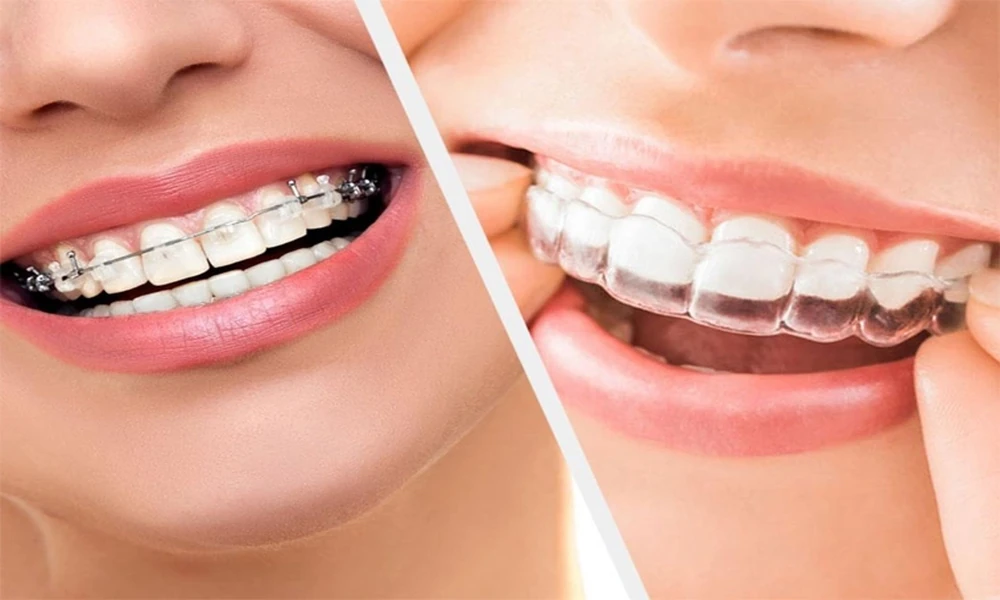
This is why dentists do more than name a brand. They help you avoid patterns that slowly cause damage. A patient with braces may need a compact brush head and interdental cleaners. A patient with arthritis may need a larger handle or an electric brush to make daily brushing easier. A patient with dry mouth may need a fluoride toothpaste that protects against decay without strong foaming agents that feel irritating.
MedlinePlus offers a solid overview of brushing and flossing, but a dentist adds the piece that online lists cannot. They can tell you whether your current products fit your actual risks.
A Simple Comparison Makes Toothbrush and Toothpaste Selection Easier
| Situation | Better Toothbrush Choice | Better Toothpaste Choice | Why a Dentist May Recommend It |
|---|---|---|---|
| Sensitive teeth | Soft bristle manual or electric brush | Desensitizing fluoride toothpaste | Reduces pain triggers while still protecting against cavities |
| Bleeding or receding gums | Soft bristle brush with gentle technique | Fluoride toothpaste with low abrasiveness | Limits added gum trauma and enamel wear |
| Frequent cavities | Any soft brush used consistently and correctly | Fluoride toothpaste, sometimes prescription strength | Fluoride helps strengthen enamel and lower decay risk |
| Braces or dental work | Small headed brush or electric brush | Fluoride toothpaste | Improves cleaning around brackets, crowns, and bridges |
| Heavy staining | Soft bristle brush | Gentle whitening toothpaste if enamel and sensitivity allow | Avoids overuse of abrasive products that can worsen sensitivity |
| Limited hand strength | Electric brush with easy grip | Any fluoride toothpaste tolerated well | Makes brushing more effective with less effort |
The CDC explains how fluoride helps prevent tooth decay. That matters because many patients get distracted by labels like natural, whitening, or charcoal and miss the one ingredient that often matters most for cavity prevention.
General Dentist Guidance Helps You Avoid Marketing Traps
Many products are sold with the promise of a brighter smile, a deeper clean, or instant freshness. Those claims can pull you away from what your teeth and gums actually need. A general dentist often steers patients back to the basics. Use a soft brush. Choose fluoride unless there is a specific reason not to. Avoid abrasive products if you have sensitivity or enamel wear. Replace your toothbrush or brush head regularly. Brush gently for two minutes, not aggressively for thirty seconds.
This kind of advice sounds simple because it is. The hard part is knowing which simple choice fits you. If you grind your teeth, have restorations, deal with dry mouth, or keep getting cavities despite brushing, your product choices deserve more than a random purchase.
Three Practical Steps You Can Take Right Away
1. Check your current toothbrush. If the bristles are medium or hard, switch to soft. If the bristles are frayed, replace it. If you tend to scrub, an electric brush with a pressure sensor can help.
2. Read the toothpaste label before the front of the box. Look for fluoride first. If you have sensitivity, choose a toothpaste made for that problem. If whitening toothpaste makes your teeth sting, stop using it and bring it up at your next dental visit.
3. Ask your dentist for a product recommendation based on your actual mouth. Bring photos of what you use now or bring the products with you. That makes it easier to get advice tailored to your gums, enamel, dental work, and habits.
The Right Daily Tools Make Home Care Less Stressful
You do not need the most expensive brush or the trendiest toothpaste. You need products that fit your teeth, your gums, and your routine well enough that you will keep using them. That is the real value in how dentists help patients choose the right toothbrush and toothpaste. Good guidance removes trial and error, lowers the chance of damage, and makes your daily routine feel more manageable.
If you are unsure whether your current products are helping or hurting, schedule a visit with a general dentist and ask for a personalized recommendation. A small change in your toothbrush or toothpaste can make brushing more comfortable and much more effective.
