
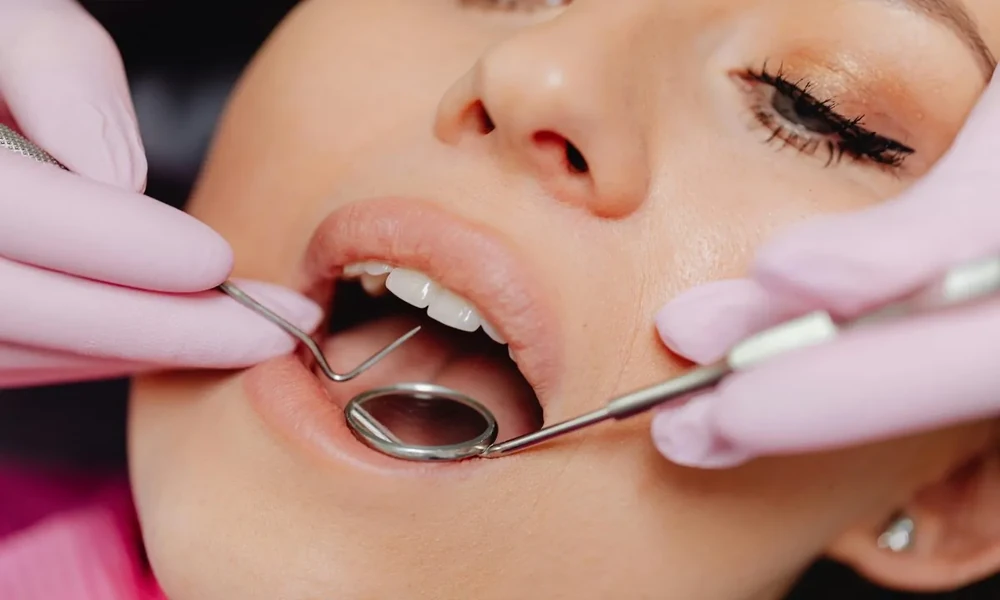
You might already know the feeling. One office handles cleanings and checkups, another talks about whitening or veneers, and somewhere in between, you are left trying to keep records straight, remember treatment plans, and figure out who sees the full picture. Working with a dentist in Roseville, MI can make that process feel more connected and manageable. That can feel tiring fast, especially when oral health is not just about how your smile looks, but also how it feels and functions every day.
If you have been wondering whether it makes sense to stay with one family and cosmetic dentist for both routine care and appearance goals, the short answer is yes. In many cases, it can save time, reduce confusion, and lead to more consistent care. When one provider understands your history, your habits, and what you want from your smile, decisions often become simpler and more thoughtful.
Why can seeing one dentist for preventive and cosmetic care make life easier?
Preventive care and cosmetic care are often treated like two separate things, but in real life, they overlap all the time. A brighter smile matters, of course, but so do healthy gums, a stable bite, and strong enamel. If you want bonding, whitening, or veneers, those choices work best when the health of your teeth is already being watched closely. That is where a single provider can help.
The first benefit is continuity. When one dentist handles your exams, cleanings, and cosmetic planning, there is less guesswork. They can spot small changes early, compare them with past visits, and recommend care that supports both health and appearance. According to the CDC, daily habits and regular professional care both matter for long term oral health. You can review these oral health tips for adults to see how prevention sets the stage for everything else.
The second benefit is better treatment planning. Imagine you want to improve chips on your front teeth, but you also grind at night. If one office knows both issues, your care plan is more likely to protect your teeth before focusing on looks alone. Without that connection, cosmetic work may not last as long as you hoped. So, where does that leave you? It leaves you with a simple truth. A smile makeover usually works better when it grows from a healthy base.
The third benefit is trust. Many people put off treatment because they do not want to repeat their story over and over, or they worry about being pushed into something they are not ready for. Seeing one dentist for preventive and cosmetic needs can make visits feel more familiar. Over time, that comfort can make it easier to ask questions, talk about budget, and move forward with care at a pace that feels right.
What problems can happen when preventive and cosmetic dental care are split between offices?
Sometimes the issue is not bad care. It is disconnected care. One office may focus on a stain or a gap, while another is tracking gum recession, old fillings, or signs of clenching. Each detail matters, but when they are not brought together, you may end up making decisions without the full context.
That can affect time and money. You may need duplicate X rays, repeated consultations, or follow up visits that could have been avoided. It can also affect results. If a tooth needs strengthening before cosmetic work, or if gum health should improve before whitening, timing matters. The National Institute of Dental and Craniofacial Research offers clear guidance on oral hygiene and prevention, and that foundation supports almost every cosmetic choice you might consider.
There is also the emotional side. Dental care can bring up stress, even for people who usually handle appointments well. When your care is scattered, it is easy to feel like you are managing a project instead of getting help. And when your smile affects confidence, work, or family photos, that stress can feel personal in a hurry.
How does one dental home compare when you look at the day to day details?
Sometimes it helps to see the difference in plain terms. A single provider is not right for every person in every situation, but for many families and adults, it creates a smoother path.
| Care Approach | Using One Dentist | Using Separate Offices |
|---|---|---|
| Health history | One team tracks changes over time | Records may need to be shared and reviewed more than once |
| Treatment planning | Preventive and cosmetic goals can be coordinated together | Plans may be made in pieces |
| Time | Fewer repeated conversations and visits | More scheduling and back and forth |
| Comfort | Familiar team and setting | New people and new processes in each office |
| Long term value | Care often builds on a shared understanding of your needs | Short term goals can overshadow bigger health concerns |
Research also supports the bigger picture. The NIDCR report on oral health in America shows how closely oral health is tied to overall well being, quality of life, and access to consistent care. That matters whether you are focused on cavity prevention, a cracked tooth, or the look of your smile in the mirror.
What can you do now if you want a more connected approach to dental care?
1. Review your current dental goals.
Write down what you want from care over the next year. Include both health and appearance concerns. Maybe you want fewer cavities, less sensitivity, whiter teeth, or a fix for a chipped tooth. Seeing those goals together can help you choose a provider who can address the full picture.
2. Ask how preventive and cosmetic plans are coordinated.
When you speak with a dental office, ask practical questions. Will the dentist review your gum health before cosmetic treatment? How do they handle long term maintenance after whitening, bonding, or veneers? A good answer should connect appearance with function, not treat them as separate tracks.
3. Choose consistency over urgency.
It is tempting to chase the fastest cosmetic fix, especially when you are unhappy with your smile. But lasting results usually come from steady care. If you can find one provider for preventive and cosmetic dental care, you may be setting yourself up for fewer surprises and better outcomes over time.
Could one trusted dentist be the simpler path forward?
It often is. When one provider handles both routine care and smile improvements, you get more than convenience. You get context, continuity, and a care plan that fits your life instead of adding more complexity to it. If you have been juggling appointments, second guessing treatment, or feeling unsure about your next step, it may be time to look for a dental home that brings prevention and appearance goals together.
You do not need to solve everything at once. Start with a conversation, ask clear questions, and look for a provider who sees both your oral health and your confidence as part of the same story.
