
Age-related macular degeneration (AMD) is a common eye condition among older adults, leading to a gradual loss of central vision. While there is no cure for AMD, there are various management strategies and treatments that can help slow its progression and improve the quality of life for those affected. This article explores these strategies and offers support for living with AMD.
What is AMD?
AMD affects the macula, the part of the retina responsible for sharp central vision. It comes in two forms: dry and wet. Dry AMD is more common and progresses slowly, while wet AMD is less common but can cause rapid vision loss.
Symptoms and Diagnosis
Common symptoms of AMD include blurred vision, difficulty recognizing faces, and a dark or empty area in the center of vision. Diagnosis typically involves a comprehensive eye exam, including retinal imaging and visual acuity tests.
Age-Related Macular Degeneration Treatment Options
Lifestyle Modifications
- Diet and Nutrition: A diet rich in leafy greens, fish, and nuts can support eye health. Supplements containing vitamins C, E, zinc, and lutein may also be beneficial.
- Exercise: Regular physical activity can improve overall health and potentially slow the progression of AMD.
- Smoking Cessation: Smoking increases the risk of AMD, so quitting smoking is crucial.
Medical Treatments
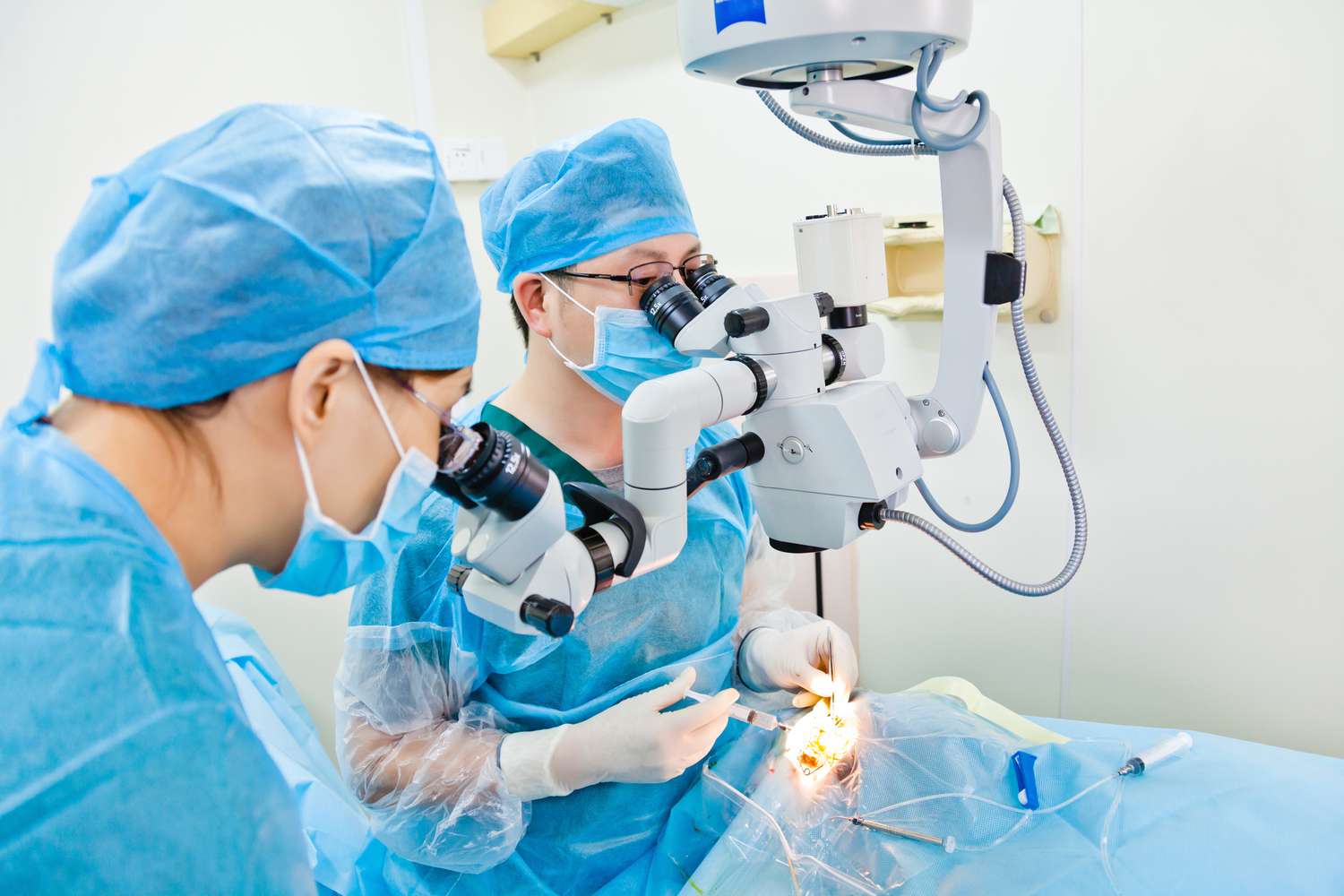
- Anti-VEGF Therapy: For wet AMD, anti-VEGF injections can help reduce abnormal blood vessel growth and fluid leakage in the eye. This treatment requires regular injections administered by an ophthalmologist.
- Photodynamic Therapy: This involves injecting a light-sensitive drug into the bloodstream, which is then activated by a laser to target and destroy abnormal blood vessels.
Assistive Devices and Rehabilitation
- Low Vision Aids: Magnifying glasses, large-print books, and electronic reading devices can help those with AMD make the most of their remaining vision.
- Vision Rehabilitation: Occupational therapy and vision rehabilitation services can teach new strategies for daily tasks, enhancing independence and quality of life.
Emotional and Psychological Support
Coping with Vision Loss
Living with AMD can be emotionally challenging. It’s important to acknowledge feelings of frustration or sadness and seek support. Counseling and support groups can provide a safe space to share experiences and coping strategies.
Staying Connected
Maintaining social connections is vital. Staying engaged with family, friends, and community activities can improve emotional well-being. Many organizations offer resources and support specifically for those living with vision loss.
Preventive Measures and Regular Check-Ups
Routine Eye Exams
Regular eye exams are crucial for monitoring the progression of AMD and adjusting treatment plans as needed. Early detection of changes in vision can lead to more effective management.
Protective Measures
- Sun Protection: Wearing sunglasses with UV protection can help protect the eyes from harmful rays.
- Healthy Lifestyle: Maintaining a healthy weight, managing blood pressure, and controlling cholesterol levels are important for overall health and can positively impact eye health.
Innovations in AMD Research
Emerging Treatments
Research in the field of AMD is ongoing, with new treatments and technologies on the horizon. Gene therapy, stem cell therapy, and advanced imaging techniques are being explored as potential ways to treat and manage AMD more effectively.
Clinical Trials
Participation in clinical trials can provide access to cutting-edge treatments and contribute to the advancement of AMD research. Patients interested in clinical trials should discuss options with their ophthalmologist.
Community Resources and Support
National and Local Organizations
Numerous organizations (such as Macular society and Royal National Institute of Blind People (RNIB) )offer resources, support, and information for those living with AMD. Local support groups and vision rehabilitation services can also provide valuable assistance.
Educational Materials
Educational materials, such as brochures, websites, and videos, can help patients and their families understand AMD and its management. Staying informed can empower individuals to make proactive decisions about their eye health.
Conclusion
Living with age-related macular degeneration presents challenges, but with the right management strategies and support, individuals can maintain a good quality of life. From lifestyle modifications and medical treatments to emotional support and preventive measures, there are many ways to manage AMD effectively.
Regular check-ups and staying informed about new developments in age-related macular degeneration treatment are essential for optimizing eye health and well-being. If you or a loved one is affected by AMD, consider exploring the various resources and support systems available to help navigate this condition.
