
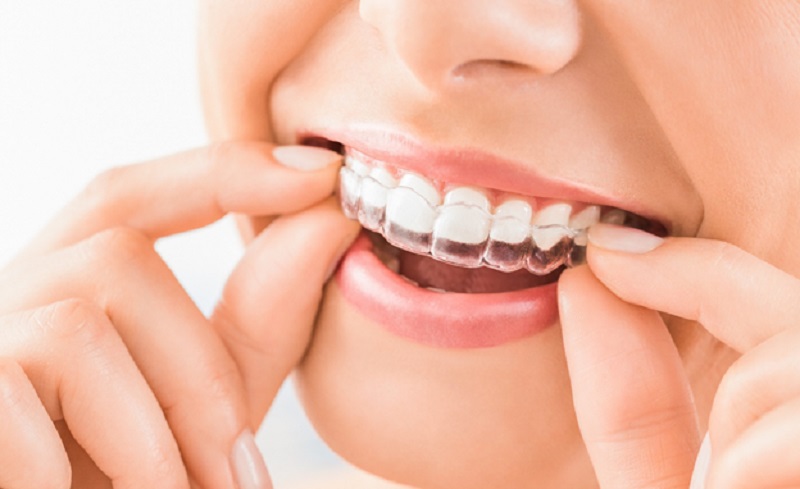
In the realm of orthodontic treatment, invisible aligners have emerged as a revolutionary solution that promises to align teeth discreetly and comfortably. These transparent, removable trays have gained immense popularity due to their effectiveness and aesthetic appeal. However, achieving the desired results requires more than just wearing the aligners – it demands commitment, care, and adherence to certain guidelines.
In this article, what patients need to do when they have invisible aligners fitted to ensure a successful and satisfying treatment journey will be explored, so you will know what to do.
Understanding the treatment process
Before embarking on the invisible aligner journey, it’s crucial for patients to comprehend the treatment process. Invisalign Leicester works by gradually shifting teeth into their desired positions using a series of aligners. Each one is worn for a specific period, usually two weeks, before moving on to the next. Understanding this process helps patients set realistic expectations and commit to the timeline.
Consistent wear
When it comes to moving your teeth, a single tooth requires 8 hours of continual force before it starts to move.
So, consistency is key when it comes to invisible aligner treatment. Patients should wear their aligners for the recommended 20 to 22 hours per day. Consistent wear ensures that the desired tooth movement occurs as planned. Skipping or extending the wear time of a particular tray can result in setbacks and prolong the treatment duration.
If you don’t wear your aligners as often as you need to, it may result in treatment delays, as well as your teeth reverting back to their previous positions. So, you need to keep them in!
Maintaining oral hygiene
Proper oral hygiene is non-negotiable during aligner treatment. Aligners can trap food and create a breeding ground for bacteria, leading to bad breath and potential cavities. You need to remove the aligners before eating or drinking anything other than water, and you should brush and floss your teeth before reinserting the aligners. Cleaning the aligners themselves is also essential to prevent discolouration and odour. Using a gentle cleanser or even a soft toothbrush can help keep the aligners fresh.
Storing aligners safely
When not wearing their aligners, patients should store them in their designated case. Leaving aligners exposed increases the risk of damage or loss. Carrying the case along also makes it easier to keep track of aligners when dining out or during social activities.
Avoiding certain foods
Certain foods can damage or stain aligners. Patients should avoid consuming coloured beverages like coffee, tea, and red wine while wearing aligners. Additionally, sticky or hard foods like gum, caramel, or popcorn should be avoided, as they can affect the aligners’ fit and efficacy.
Managing discomfort
Even though the aligners are removable and are seen as more comfortable than braces, they still have a job to do. They need to apply pressure to your teeth in order to move them, which is going to cause a bit of soreness!
So, you might experience mild discomfort or pressure when transitioning to a new set of aligners. This is a sign that the aligners are working to move the teeth. Over-the-counter pain relievers and oral numbing gels can help alleviate this discomfort. However, if pain persists or is severe, it’s advisable to consult with the orthodontist.
Regular orthodontic check-ups
Even though invisible aligners offer a degree of autonomy, regular check-ups with the orthodontist are essential. These appointments allow the orthodontic team to monitor the progress, make necessary adjustments, and address any concerns. Patients should adhere to the recommended check-up schedule to ensure their treatment is on track.
Maintaining aligner compliance
Invisible aligners are customised for each patient’s unique dental structure. Deviating from the prescribed plan by altering the wear schedule or skipping aligners can compromise the treatment outcome. Patients should communicate with their orthodontist if any issues arise rather than attempting to adjust the treatment plan themselves.
Retainers
Upon completing the aligner treatment, patients will likely need to wear retainers to maintain the achieved results. Retainers prevent teeth from moving back to their original positions. These can be removable or fixed, depending on the orthodontist’s recommendation. Just like with aligners, consistent wear is crucial for the effectiveness of retainers.
Patience and perseverance
Achieving a beautifully aligned smile through invisible aligners requires patience and perseverance. Results may not be immediately apparent, but adhering to the treatment plan diligently will yield rewarding results in due course. Staying motivated and envisioning the end goal can help patients navigate any challenges that arise during the treatment journey.
