
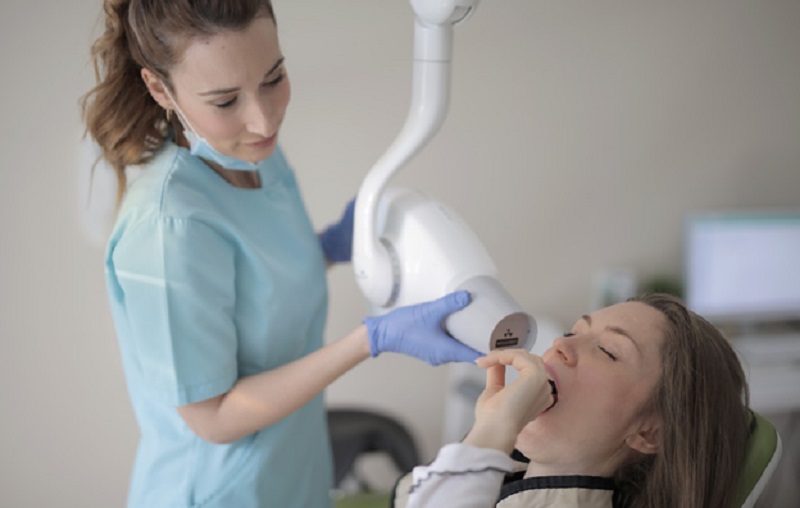
A straight and confident smile is something many individuals desire, as it not only enhances aesthetics but also contributes to oral health. With advancements in orthodontic technology, achieving that perfect smile has become more accessible through options like at-home aligners and invisible aligners from dentists. Both methods aim to correct misaligned teeth discreetly, but they differ in various aspects, including effectiveness, safety, and overall quality of care.
In this article, a comprehensive comparison of at-home aligners and invisible aligners from a dentist will be explored to help you make an informed choice. After all, they are your teeth, and you will want them to look great at the end of the process!
Treatment supervision and professional oversight
One of the primary distinctions between at-home aligners like Invisalign London and those provided by dentists is the level of supervision and professional oversight. At-home aligners are designed to be self-administered, allowing individuals to manage their treatment from the comfort of their homes. These aligners are typically provided through online platforms, where users upload photos of their teeth and receive a treatment plan remotely. While this offers convenience, it lacks the direct supervision of a dental professional, which can lead to potential risks.
On the other hand, invisible aligners from a dentist involve a comprehensive examination by a qualified orthodontist or a dentist who has trained in the use of invisible aligners. Dentists have the expertise to assess not only the alignment of teeth but also the overall oral health, ensuring that any underlying issues are addressed before starting treatment, such as tooth decay and gum disease. The ongoing supervision by a professional allows for adjustments and corrections during the treatment process, leading to more precise results.
Customisation and treatment accuracy
Effective teeth alignment requires careful analysis and customisation to cater to individual needs. Invisible aligners from dentists offer a higher degree of customisation as they involve thorough examinations, including X-rays, scans, and impressions. These diagnostic tools enable the orthodontist to create aligners that fit precisely and address specific alignment issues. The treatment plan is adjusted according to the patient’s progress, ensuring optimal results.
At-home aligners, while also customised to some extent, rely heavily on self-reported information and photos. This can lead to inaccuracies in the treatment plan, potentially resulting in suboptimal outcomes, especially if the moulds that are taken at the beginning of the treatment have been taken incorrectly. The lack of intensive professional oversight can lead to misalignments, discomfort, or even unintended tooth movement. So, if you opt for at-home aligners, make sure that you are in regular contact with the team providing them so any potential issues are detected early.
Safety and oral h ealth considerations
Prioritising safety and oral health is crucial during orthodontic treatment. Dentist-prescribed invisible aligners come with the assurance of a licensed professional monitoring your progress and ensuring that a high level of oral health is maintained. Regular check-ups enable the dentist to identify any issues early on and make necessary adjustments. This prevents potential complications such as gum irritation, enamel damage, or bite problems that could arise from incorrect aligner usage.
At-home aligners may not provide the same level of monitoring. Without a dentist’s oversight, individuals may unknowingly be compromising their oral health. Aligners that don’t fit properly or aren’t used correctly can lead to discomfort, soreness, or even exacerbate existing dental problems. So, make sure you are in contact with your regular dentist when undertaking at-home aligners, so they can check for any potential problems as they occur.
Complex cases and treatment limitations
The complexity of teeth misalignment varies from person to person. Some cases require more intricate treatment planning and adjustments. Dentist-prescribed invisible aligners are better equipped to handle complex cases due to the involvement of skilled professionals who can make real-time decisions based on your progress.
At-home aligners are generally recommended for mild to moderate cases of misalignment. Complex cases, such as severe overcrowding or extensive bite issues, may not be suitable for remote treatment and could require more intensive dental intervention.
Cost considerations
Cost is often a significant factor in decision-making when it comes to orthodontic treatment. At-home aligner companies tend to market themselves as a more affordable alternative to traditional braces or in-office aligner treatments. While they may have lower upfront costs, it’s recommended to consider the potential long-term costs if complications arise due to a lack of professional supervision.
Dentist-prescribed invisible aligners might have a higher initial cost, but they come with the expertise of a qualified orthodontist who can tailor the treatment to your specific needs. This personalised care can prevent unexpected expenses down the line.
