
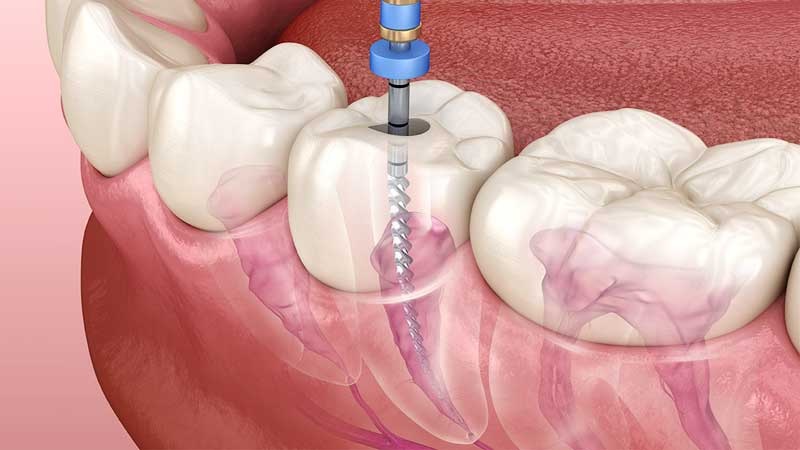
Root canal treatment, often simply referred to as a “root canal,” is a dental procedure that has gained an undeserved reputation for being painful and frightening. In reality, this procedure is a dental lifeline for saving damaged or infected teeth and alleviating severe dental pain. Let’s delve into what root canal treatment is, why it’s needed, and how it can help you maintain a healthy smile.
The Basics of Root Canal Treatment
A root canal is a natural cavity within the center of your tooth, housing soft pulp tissue and sensitive nerves. When this area becomes infected or inflamed due to severe decay, a cracked tooth, or trauma, it can cause excruciating pain. Root canal treatment is the process of removing the infected or damaged pulp, cleaning and disinfecting the interior of the tooth, and then sealing it to prevent further infection.
Why Root Canal Treatment is Necessary
- Pain Relief: The most common reason for a root canal is severe toothache, which is often caused by an infection in the tooth’s pulp. This pain can be debilitating and may worsen over time if left untreated. Root canal treatment provides quick and effective relief.
- Preservation of Natural Teeth: In the past, infected or damaged teeth were often extracted. Root canal treatment allows dentists to save your natural tooth, which is always the best option when possible. Losing a tooth can lead to other dental issues, such as shifting of neighboring teeth and changes in your bite.
- Preventing Spread of Infection: An infected tooth can lead to abscesses, which are pockets of pus that can spread to other parts of the mouth or even into the bloodstream. Root canal treatment eliminates the source of infection and prevents its further spread.
The Root Canal Procedure
- Diagnosis: Before the procedure, your dentist will take X-rays to determine the extent of the infection or damage. They will also numb the area around the affected tooth to ensure you’re comfortable during the treatment.
- Access Opening: Your dentist will create a small access hole in the tooth’s crown to reach the pulp chamber.
- Pulp Removal: The infected or damaged pulp tissue is carefully removed using specialised tools.
- Cleaning and Shaping: The interior of the tooth is cleaned, disinfected, and shaped to accommodate the filling material.
- Filling: After thorough cleaning, the tooth is filled with a biocompatible material called gutta-percha. This material seals the interior of the tooth to prevent further infection.
- Restoration: In many cases, a tooth that has undergone a root canal will need a crown to strengthen and protect it, as the tooth structure may be weakened by the procedure.
Myths vs. Reality
Despite its reputation, root canal treatment is generally no more painful than getting a standard dental filling. Thanks to modern techniques and anesthesia, most patients report minimal discomfort during the procedure. The real pain relief comes afterward as the infection and inflammation are eliminated.
Post-Treatment Care
After a root canal, it’s essential to follow your dentist’s instructions for care and attend any follow-up appointments. Maintaining good oral hygiene and regular dental check-ups will help ensure the long-term success of the treatment.
Conclusion
Root canal treatment is a valuable dental procedure that saves countless teeth and relieves patients from agonising pain. It’s essential to debunk the myths surrounding it and recognise it as a vital tool in preserving your natural smile. If you experience severe toothache or suspect a dental infection, consult your dentist promptly. Early intervention can make the difference between saving your tooth and losing it. Root canal treatment is a second chance for your damaged tooth, allowing it to regain its health and function within your beautiful smile.
