
Introduction
Some fungal infections will erupt with symptoms similar to COVID-19, such as fever, cough, and shortness of breath, especially when the respiratory system is affected. That means further laboratory investigations are necessary to determine if a person has a fungal infection or COVID-19. Some patients may have COVID-19 and a fungal infection coexist at the same time.
Fungal infections with similar symptoms
Aspergillosis and invasive candidiasis are the most prevalent fungal infections in COVID-19 patients. The other less common fungi which may be associated with COVID-19 are histoplasmosis, blastomycosis, coccidioidomycosis, and mucormycosis.
COVID-19-associated pulmonary aspergillosis
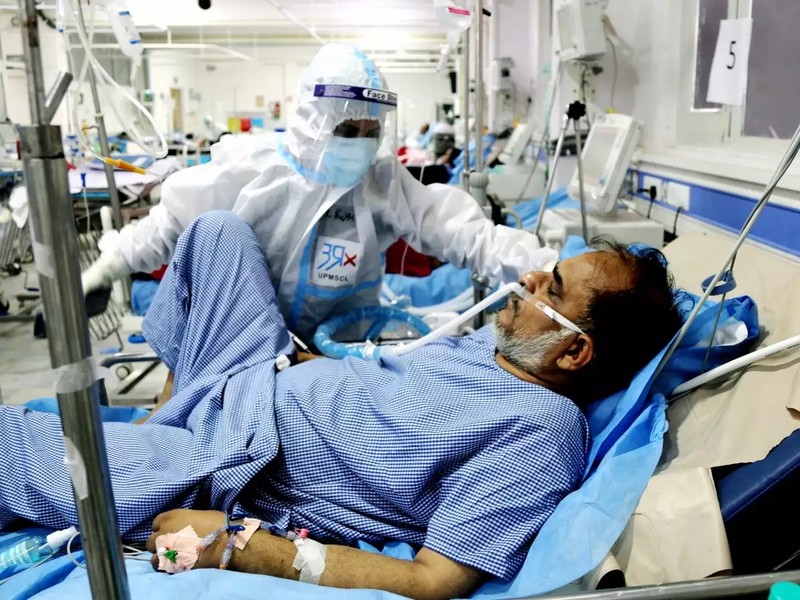
Pulmonary aspergillosis is caused by the fungus Aspergillus infections. Aspergillosis used to be assumed to occur almost completely in severe immunocompromised persons. However, aspergillosis is increasingly being documented in people who do not have impaired immune systems but instead severe viral respiratory infections, such as influenza. Several recent studies have described the COVID-19-associated pulmonary aspergillosis (CAPA). According to the available data, CAPA:
- Usually found in patients with severe COVID-19, ventilator-dependent in ICUs.
- Can be quite challenging to diagnose because patients frequently have non-specific symptoms and testing typically necessitates samples from deep in the lungs.
- May cause severe complications and death.
Clinicians should determine the possibility of aspergillosis in patients with severe COVID-19 who have worsening respiratory function or sepsis, even if they do not have typical signs and symptoms of aspergillosis.
Invasive candidiasis in patients with COVID-19
Candida auris is a fungus that has the potential to produce catastrophic infection outbreaks in healthcare institutions. It has spread most commonly in long-term care facilities that care for persons with severe medical illnesses. However, outbreaks of C. auris have been documented in COVID-19 units of acute care hospitals since the beginning of the pandemic.The reason for these outbreaks could be the modifications in regular infection control practices during the COVID-19 pandemic, such as reduced availability or reuse of gowns and gloves, as well as changes in the cleaning and disinfection practices.
Hospitalized patients for COVID-19 are at risk for healthcare-associated infections (HAIs), such as candidemia, or candida bloodstream infections. In patients with severe COVID-19 with fungal infections also have been reported to be resistant to antifungal therapy. That means the key to decrease COVID-19 death in patients with severe COVID-19 fungal co-infections is early detection, treatment and monitoring for candida infections and antifungal resistance infections.
Fungal pneumonias can resemble COVID-19
The other fungal infections, such as coccidioidomycosis (Valley fever), histoplasmosis, and blastomycosis, can present with fever, coughing, and shortness of breath which is similar to COVID-19 and bacterial pneumonias. These fungi are commonly spread through aerosol, air-borne infection. Fungal pneumonias should be considered as a probable cause of respiratory disease by clinicians, especially if COVID-19 test shows negative findings. It is crucial to highlight that various fungal infections can arise together with COVID-19.
COVID-19 vaccine and fungal infections
There is no evidence showing the correlation between covid 19 vaccine and fungal infections. Meanwhile, COVID-19 related fungal infections usually occur in those with severe symptoms and/or immunocompromised persons. The covid 19 vaccine only works as a stimulant to the human immune system, promoting the defense mechanism specifically against coronavirus. It does not alter any other part of the immunity and causes opportunistic infections. Therefore, those approved vaccines being distributed are reasonably safe and effective, promote and provide protection against COVID-19.
