
Type 1 Diabetes or also known as Insulin-dependent diabetes is a chronic condition affecting multiple organs including eyes, kidneys, nervous system, heart and many more. This condition is also known as Juvenile diabetes as it commonly affects youth following puberty. Nevertheless, it can still occur in adults. The pathophysiology is believed to be due to the autoimmune nature of the disease in which antibodies targeting beta islet cells of the pancreas and insulin released from the pancreas. Insulin is a hormone responsible to regulate sugar level in blood. Due to the destruction of the pancreas, insulin can no longer be produced and this may lead to the elevated sugar level in the blood. This results in glycosylation of multiple organs hence damaging the affected organ. There are various factors that may contribute to type 1 Diabetes including genetic predisposition and environmental factors such as viral infection. Despite ongoing research, there is still no cure for the disease.
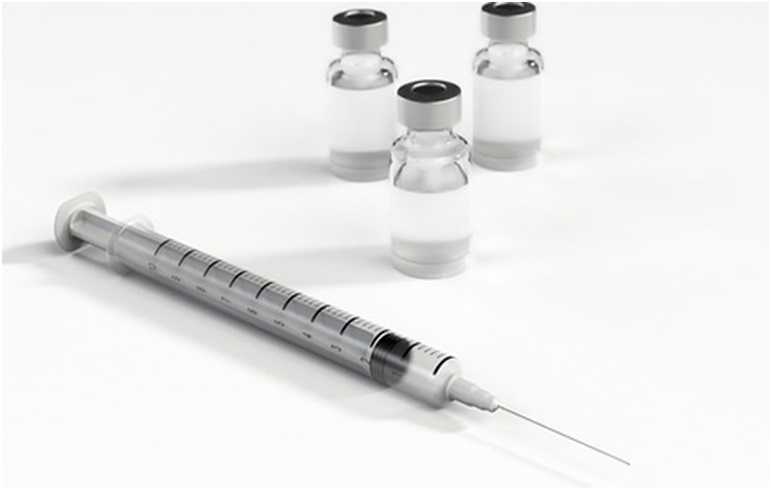
As for now, the main types of treatment for Type 1 Diabetes is the injection of exogenous insulin. Since the disease is currently due to low level of insulin, the scientists had created man-made insulin hormone to replace the depletion. There are various types of exogenous insulin injections.
- Rapid-acting insulin
It initiates the action as early as 2 or 2.5 minutes following injection and has a peak activity of 3 hours following the injection. The action can last up until 5 hours. Patients who take this injection must immediately eat after the injection to avoid a hypoglycemic event.
- Short-acting insulin
The initiation of this insulin action is slower than rapid-acting insulin. It begins to exert the activity as early as 30 minutes and peak after 3 to 5 hours following the injection. The action can last up to 8 hours.
- Intermediate-acting insulin
It also works as a background or basal insulin. The action begins 60 minutes to 90 minutes and peak from 8 to 12 hours and lasts for 16 hours to 24 hours following injections.
- Long-acting
These insulin injections have a slow and steady release of insulin without any peak activity.
- Mixed insulin
This regimen contains a combination of both short-acting/ rapid-acting together with intermediate-acting insulin. This combination is to mimic the actual insulin in the human body.
Starting on insulin requires ample education due to catastrophic complications that may arise from the injection such as hypoglycemia and diabetic ketoacidosis. Doctors or specialized Diabetic Nurse will educate you about:
- The method of insulin administration
- The types of insulin
- Location of the injections
- Rotation of injection sites
- How to manage a low glucose level
- The storage of insulin injections
- Blood glucose monitoring and recording
- Carbohydrate counting and matching the insulin to what you eat
Every aspect is very crucial and vital to be considered as it may influence the glucose level in blood. Patients need to monitor and record glucose level to allow the physician in charge to make any suitable and appropriate adjustment.
With the advancement of healthcare technology, method of insulin administration is no longer solely on injection via pen, it also can be administered via a pump. Most of the time, patients are advised to rotate the insulin injections at their inner thigh, suprapubic area, upper arms and buttocks to avoid side effects such as lipohypertrophy that can reduce the rate of absorption. For more information, you may access the treatment for diabetes by doctoroncall.
