
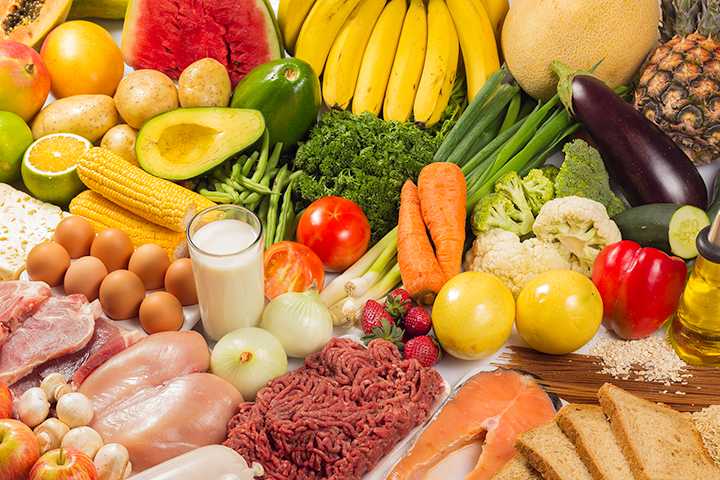
Keto Diet Foods are basically known for being a low-carb high-fat diet, where ketone bodies are produced in the liver and used as a fuel source. This diet is designed to help your body to burn more fat for energy rather than glucose.
Basics of a Keto Diet:
- Eat lots of fats.
- Eat very less of carbohydrates.
- Eat moderate amount of Proteins.
In other words, eat only low-‘Glycaemic’ foods. Low-glycaemic foods are that foods which don’t cause your blood sugar to rise very much. When you start eating in this manner, it forces your body to start depending on fat for energy, rather than just sugar.
4 Important things to keep in mind while doing Keto diet:
There are a few things to remember that can help make sure you get the most out of your keto diet.
- Drink lots of Water: When you intake fewer carbs, your body retains less water. Well, that’s normal, but you’re not drinking enough, you can get dehydrated. So, better drink plenty of water. In fact water will control your cravings too.
- Intake of Enough Fat: Remember, most of your calories, should be from fat. So don’t skimp on the fat. If you are feeling hungry or you are craving for any snack, then eating more fat at meals will normally solve your problem.
- Get Plenty of Sodium: This might sound counter to what you have been told before, but your body really needs sodium. It is one of the ways that your cells transport nutrients in and out of cells. And when you stop eating processed grains and sugar, you often get less of sodium.
- Eat Properly: Normally, this probably is not a problem for you. But when you go on a ketogenic diet, it’s actually easy to start under-eating. So every few days, just keep a check on your diet that you are eating properly.
Benefits of a Keto Diet:
- Improves Blood sugar and Insulin levels: As ketogenic diet cuts out sugar and carbohydrates, blood sugar level tends to fall. Many folks suffering from diabetes are successfully managing their health condition by following keto diet plan.
- Reduction in Triglycerides: Triglycerides are one of the major risk factors for cardiovascular disease. Restriction of carbs leads to lower levels of triglycerides.
- Manage Brain related diseases: A ketogenic diet can be therapeutic for a number of brain conditions, whether severe chronic or mild problems. For example, it is beneficial for brain tumour cases, depression, epilepsy and migraines.
- Leads to fastest weight loss: In some studies directly comparing low carb and low fat diets, diets low in carbs promote more significant weight loss. This weight loss is likely due to greater satiety from foods higher in fats and proteins.
- May protect against some cancers: Some cancer cells have a preference for glucose to fuel growth. And while they can still grow in carb restricted conditions, but this diet may prevent cancer at some extent.
- It’s enjoyable & sustainable: And this last one is pretty obvious. What sounds more appealing to you: Low fat cracker, skim milk, and a fat trimmed chicken breast? Or steak, cheese, and some dark chocolate?
