
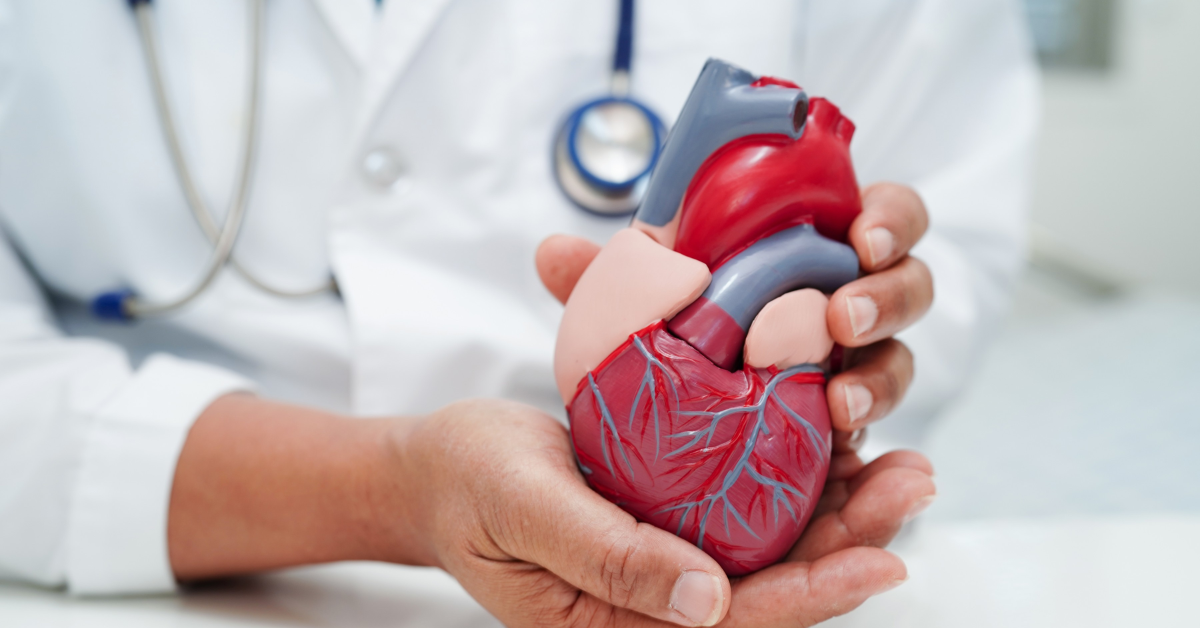
Heart care has changed dramatically over the past decade. Procedures that once required large incisions, long hospital stays, and extended recovery periods are now being performed using minimally invasive techniques. These modern approaches focus on treating heart conditions with smaller entry points, advanced imaging, and specialized tools, allowing patients to heal faster and experience fewer complications.
What Makes a Procedure Minimally Invasive
Minimally invasive cardiac procedures are designed to reduce trauma to the body. Instead of opening the chest through traditional open heart surgery, doctors use small incisions, thin tubes called catheters, or robotic-assisted instruments. These tools are guided through blood vessels or small openings to reach the heart. High-resolution imaging systems help physicians see the heart in real time, improving accuracy and safety.
This procedure often leads to shorter hospital stays, less pain, less scarring, and a faster return to normal activities. For many patients, these benefits make minimally invasive therapies quite appealing.
Transcatheter Valve Therapies
One of the most important breakthroughs involves heart valve treatment. With TAVR, or Transcatheter Aortic Valve Replacement, doctors can replace an aortic valve that is broken without having to open the heart. A new valve is delivered through a catheter inserted in the leg or chest and positioned inside the existing valve.
This method has expanded treatment options for older adults and patients who may be at higher risk with traditional surgery. Similar techniques are now being used for mitral and tricuspid valve repair, offering relief from symptoms like shortness of breath and fatigue while reducing recovery time.
Advances in Catheter-Based Ablation
Irregular heart rhythms, known as arrhythmias, are another area where minimally invasive care has advanced. Catheter ablation uses energy, such as radiofrequency or cryotherapy, to target and destroy small areas of heart tissue that cause abnormal electrical signals.
New mapping systems create detailed, three-dimensional images of the heart’s electrical activity. This helps physicians pinpoint the exact location of the problem, improving success rates. Patients often go home the same day or after a short stay, and many experience long-term improvement in their heart rhythm.
Robotic-Assisted Heart Procedures
Robotic technology is also playing a growing role. Surgeons can control robotic arms equipped with tiny instruments, allowing for extremely precise movements through small incisions. This technique is used in certain bypass surgeries, valve repairs, and other structural heart procedures.
The enhanced control and visualization provided by robotic systems can reduce tissue damage and improve outcomes. Patients benefit from smaller scars and quicker recovery compared to traditional open procedures.
Imaging and Navigation Improvements
Modern cardiac care depends heavily on imaging. Innovations in ultrasound, CT scans, and MRI have made it possible to plan and guide procedures with remarkable detail. Real-time imaging helps physicians avoid complications and ensures devices are placed correctly.
Navigation systems now combine imaging with computer guidance, almost like a GPS for the heart. This technology increases confidence during complex procedures and contributes to safer, more effective treatment.
What This Means for Patients
For people facing heart conditions, these advances offer new hope. Many individuals who were once considered too high risk for surgery can now be treated with less invasive methods. Recovery times are often measured in days rather than weeks.
If you are experiencing heart-related symptoms, consulting a cardiologist in Denver or your local specialist can help determine whether a minimally invasive option is appropriate. Modern treatments and early diagnosis can make a big difference in both quality of life and heart health in the long run.
The Future of Cardiac Care
Research continues to refine devices, improve imaging, and develop new techniques. As technology evolves, minimally invasive cardiac procedures are likely to become even safer and more widely available. The introduction of these new ideas is a big step toward better heart care that causes less stress in patients’ lives.
